
ALL NEW

KEIF

COLLECTION
TRIPLE-BAG

SYSTEM

COMPLETE SYSTEM ONLY $299

Keif Collection System

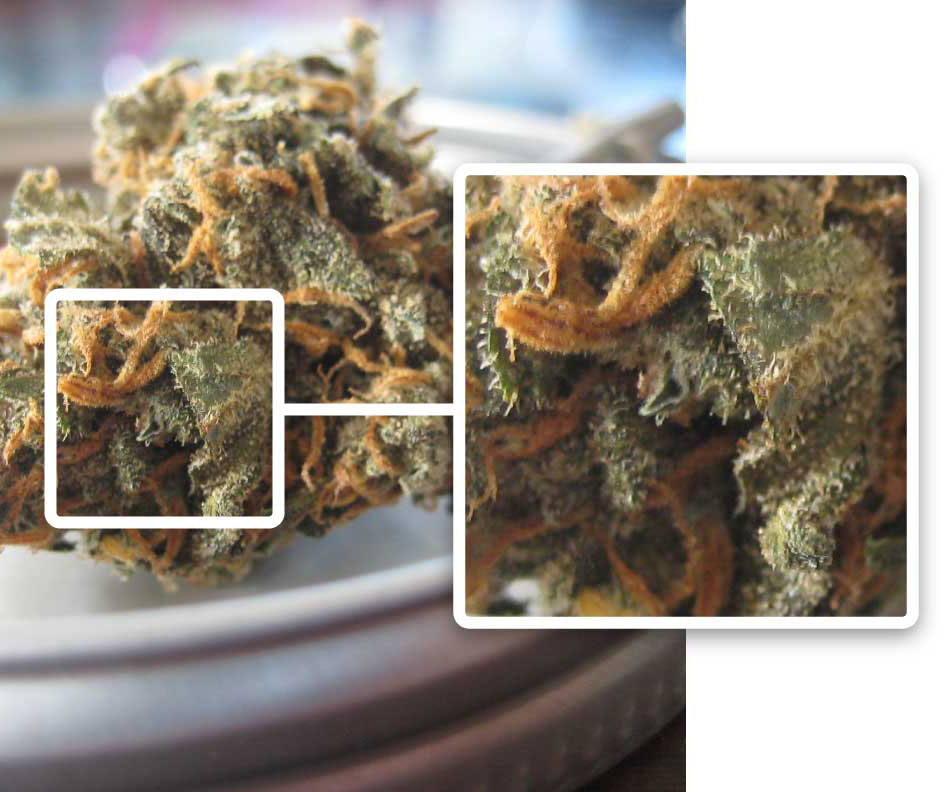
Kief is becoming wildly popular due to the rise of extractions.

Unfortunately, machines that require sprays can contaminate and destroy your Kief, therefore making it virtually useless.

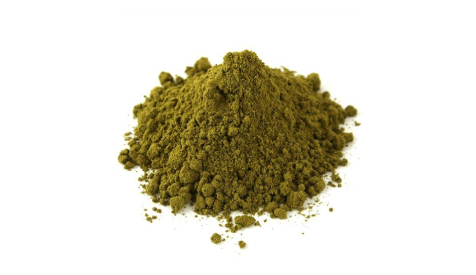
Thankfully, CenturionPro offers optional non-stick Quantanium coated tumblers. This means no spray is needed so your kief remains 100% pure and usable. To further benefit growers, we developed a new Triple-Bag filtration system. This system will assist with keif collection, separating it from your trim. This allows you to safely and easily collect the precious trichomes for further processing and profits.

HOW THE SYSTEM WORKS

The green leafy trim will collect in the new inner black bag.

Only the Kief makes it through the black bag and collects in the outer mesh bag.

Outer cloth bag catches any Kief that may pass through the micron white bag.
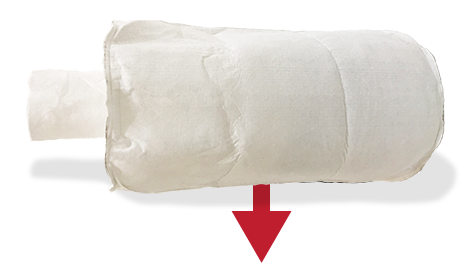
Turn off the machine and remove the inner bag and then extract Kief. ENJOY!
GMP refers to the Good Manufacturing Practice Regulations promulgated by the US Food and Drug Administration under the authority of the Federal Food, Drug, and Cosmetic Act (See Chapter IV for food, and Chapter V, Subchapters A, B, C, D, and E for drugs and devices.) These regulations, which have the force of law, require that manufacturers, processors, and packagers of drugs, medical devices, some food, and blood take proactive steps to ensure that their products are safe, pure, and effective. GMP regulations require a quality approach to manufacturing, enabling companies to minimize or eliminate instances of contamination, mixups, and errors. This in turn, protects the consumer from purchasing a product which is not effective or even dangerous. Failure of firms to comply with GMP regulations can result in very serious consequences including recall, seizure, fines, and jail time.

GMP regulations address issues including record keeping, personnel qualifications, sanitation, cleanliness, equipment verification, process validation, and complaint handling. Most GMP requirements are very general and open-ended, allowing each manufacturer to decide individually how to best implement the necessary controls. This provides much flexibility, but also requires that the manufacturer interpret the requirements in a manner which makes sense for each individual business.

GMP is also sometimes referred to as “cGMP”. The “c” stands for “current,” reminding manufacturers that they must employ technologies and systems which are up-to-date in order to comply with the regulation.