
Dry Trimming Tips
*IMPORTANT** A dry tumbler drum must be used when processing dry flowers with CenturionPro automated trimming machines.
Below are helpful tips to ensure the best possible results when using the DRY trimming machine:
Begin by hanging the entire plant, leaving the leaf on. Start with 30% humidity at 60-65 degrees Fahrenheit for 24 hours. After that, raise the humidity to 50-60% for another five to six days. Next, carefully cut all your flowers off the main stocks of the plant. Leave only the flowers and leaves in tact. Then, depending on the density of the flowers, they should be ready to run through the machine.
The buds should be 80-90% dry. This will allow the fan leaf and sugar leaf to remain somewhat PLIABLE/BENDY; in a soft and flexible state. If the larger leaf is too dry and brittle, it is difficult for the machine to pull this stiffer leaf through the slots of the drum. Therefore preventing a clean, sharp cut. To remedy this, raise the humidity up to 75% for about half a day to a full day. Remarkably, this softens the unwanted leaf while returning almost no additional moisture to the main body of the buds.
It is CRITICAL that unwanted leaves remain soft and bendy in order for the machine to perform a perfectly sharp cut. We also recommend using a humidifier or a water bottle with a misting nozzle. This will help re-introduce a small amount of moisture to the unwanted leaves before running the flowers through the machine.
**The leaves MUST be SOFT and PLIABLE for the dry trimming machine to be EFFECTIVE.
**Please note: This method will allow virtually no additional moisture back to the inner bud/flower. The moisture will only soften up the outer leaves.
After running the buds through the dry trimming machine, chances are they are ready to bag up!
A quick test after the bag has been sealed will help achieve the perfect moisture content. This can be done by opening the bags back up to air the buds a bit (curing process).
You may prefer to run the machine with the plastic cover off, and diverter almost open (this varies depending on the density of the strain). Please note the machine operates best when the tumbler is 40-50% full.
A huge bonus to the DRY trimming machine is that it will require almost no periodic cleaning, as the Quantanium non-stick drum and blade will not gum up. Therefore, there will be no reduction in performance.
The main advantage of DRY trimming is better preservation of the strong, natural aromas and flavours after the harvesting process is complete.
Be patient and take your time with the harvesting and curing process so as not to ruin months of hard work, and to ensure a quality product.
***CENTURIONPRO TRIMMING MACHINES OPERATE OPTIMALLY WHEN THE TUMBLER DRUM IS AT 50%-60% CAPACITY.
Demo Videos
The videos below are great examples of dry trimming with Centurion Pro machines.
Dry Trimming with the Centurion Pro Mini
Dry Trimming with CenturionPro Trimmers
Elite Trimming Machine Line Up
INDUSTRIAL • RELIABLE • EFFICIENT • SIMPLE
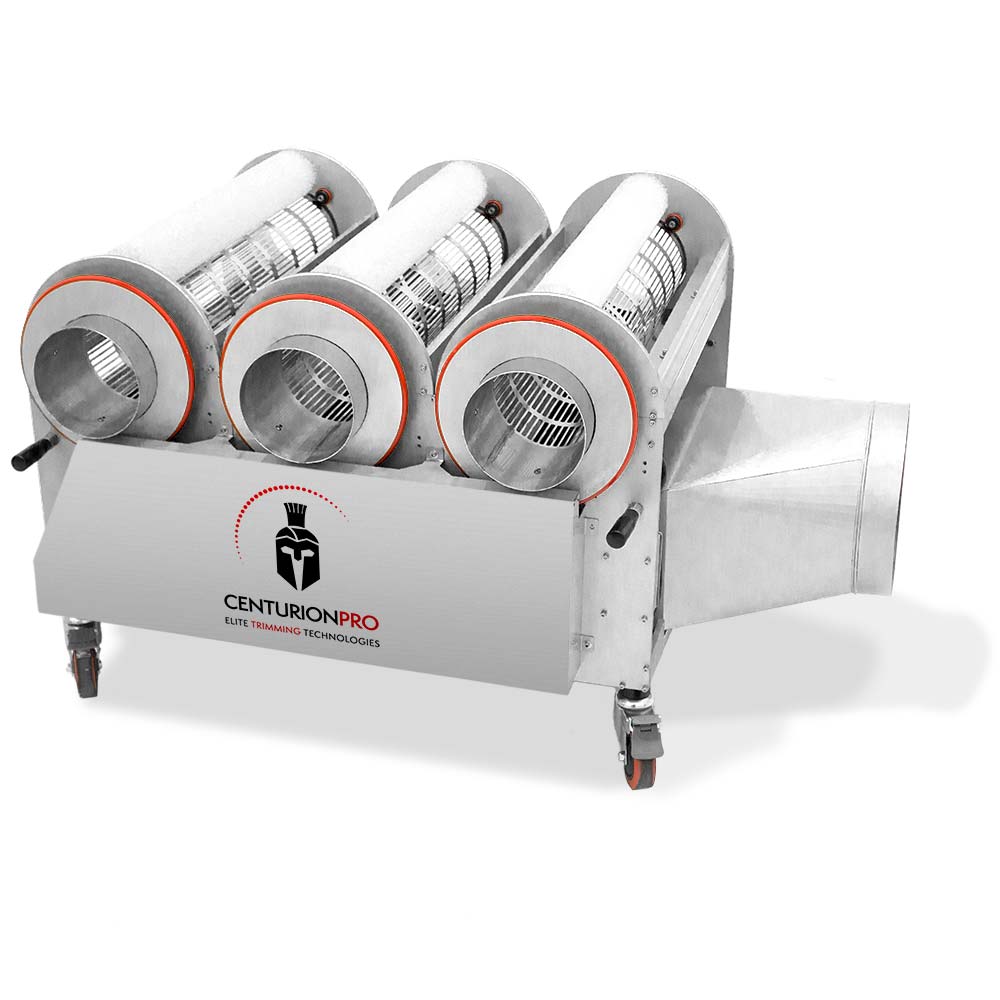
3.0
$22,995 MSRP
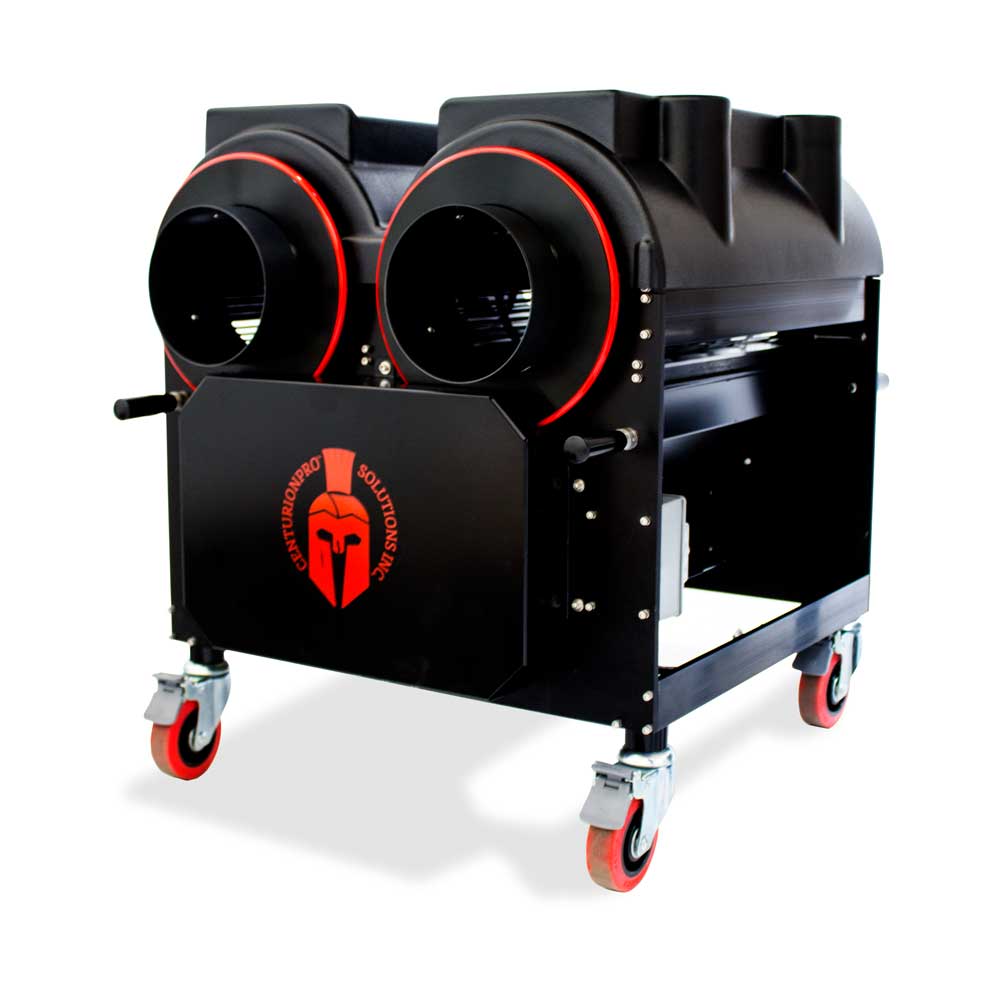
Gladiator
$14,995 MSRP
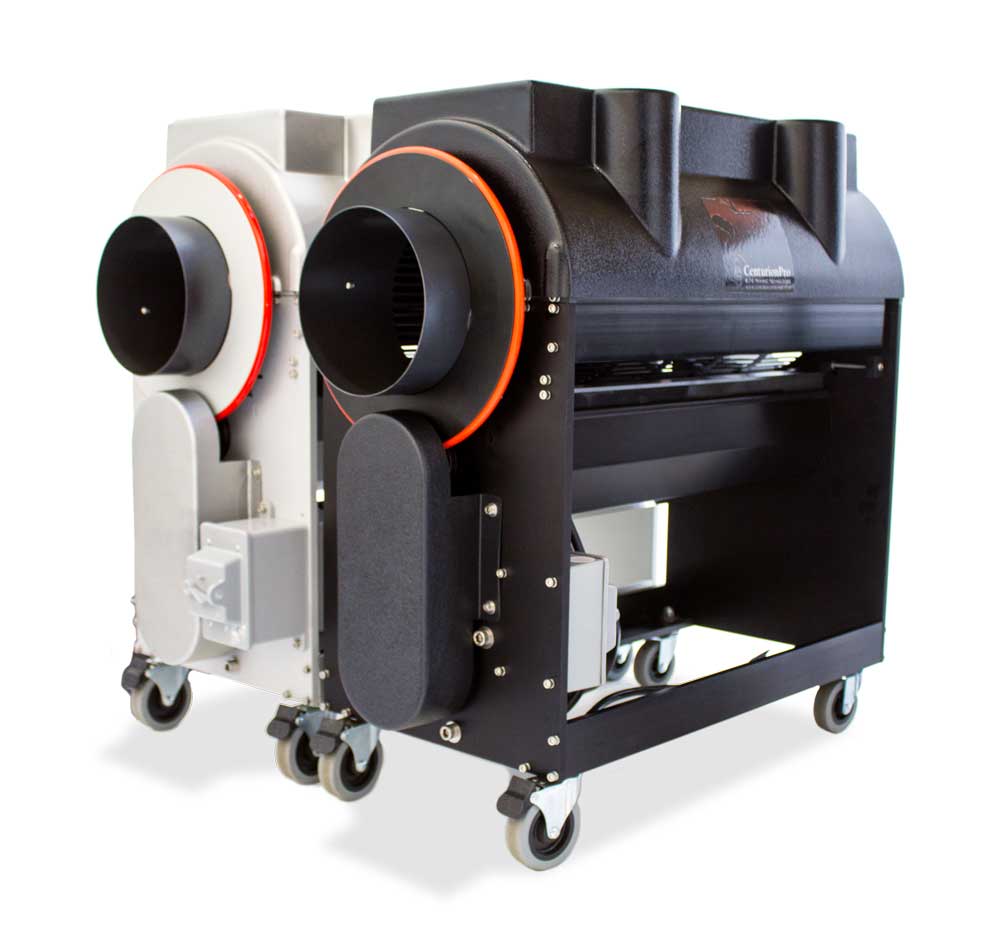
Original & Silver Bullet
Original: $8,995 MSRP
Silver Bullet: $9,495 MSRP
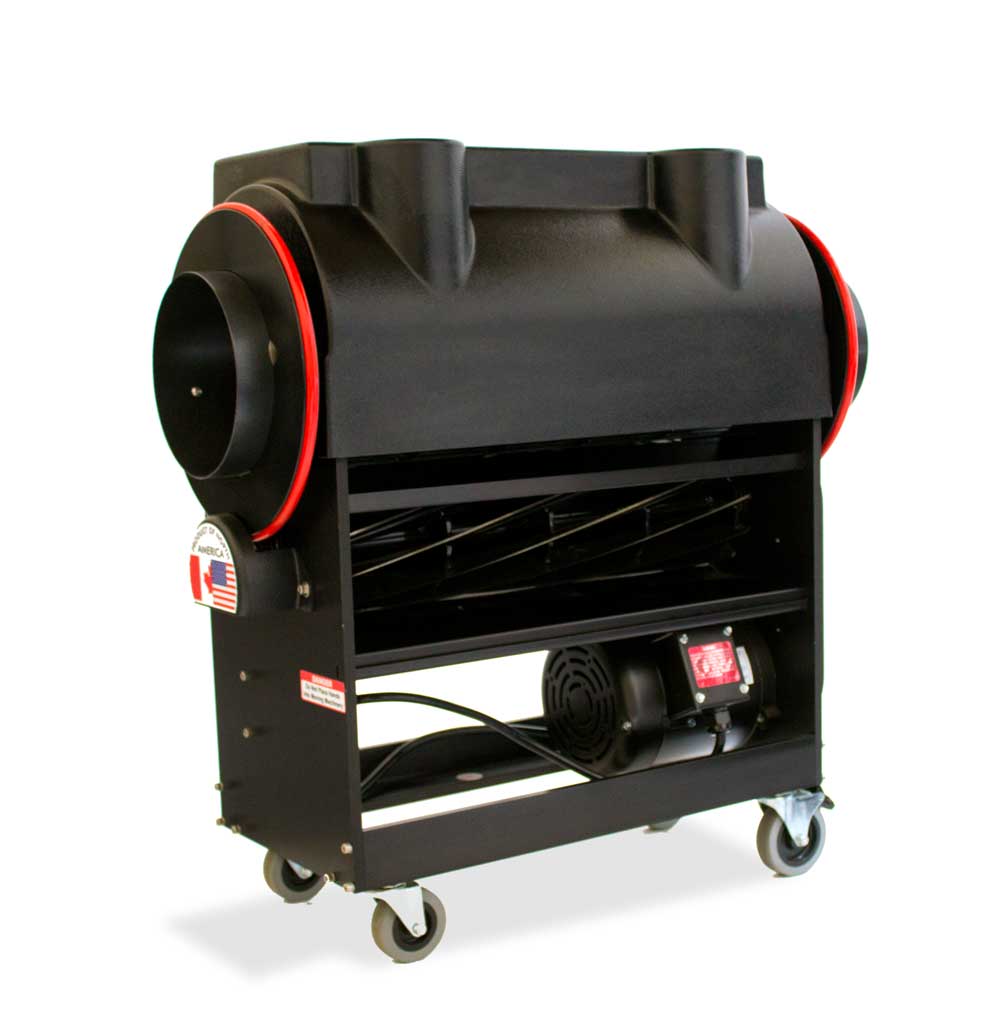
Mini
$6,495 MSRP
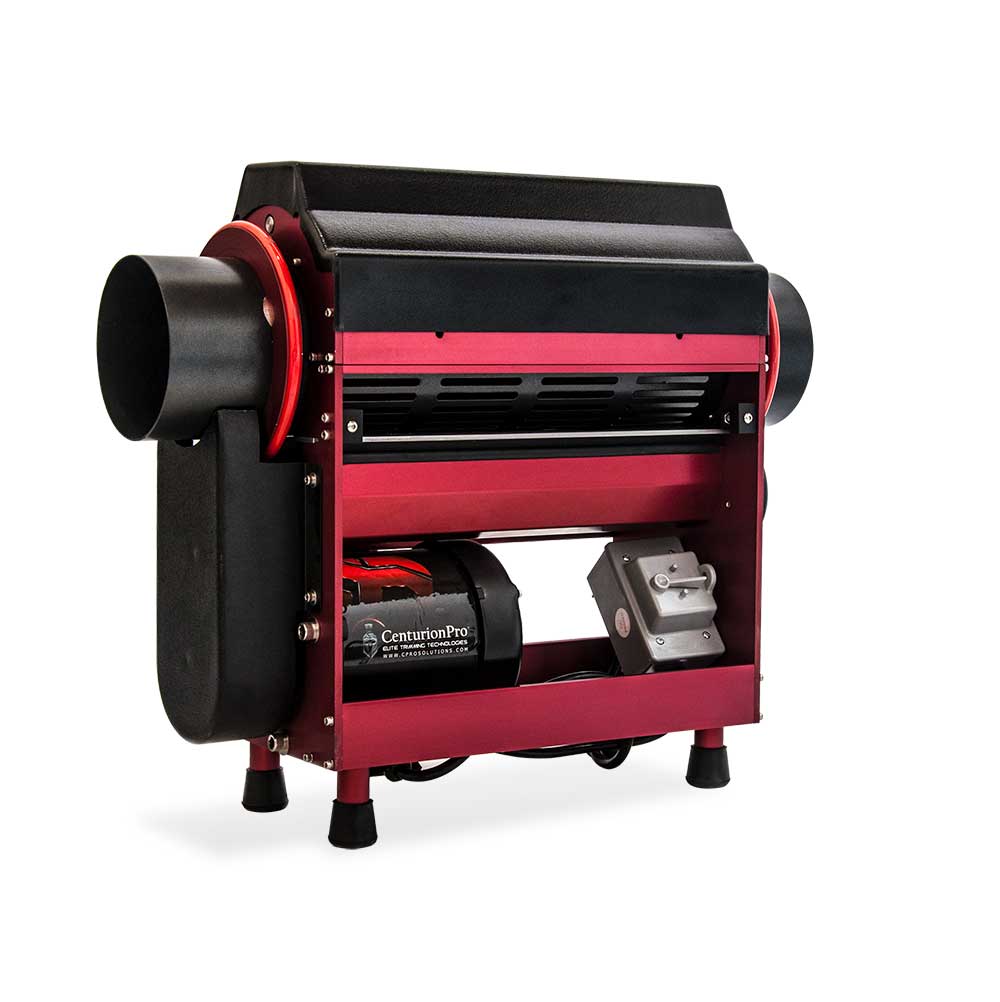
Tabletop Pro
$3,995 MSRP