
AS GOOD AS
NEW
CenturionPro Refurbished Trimmers
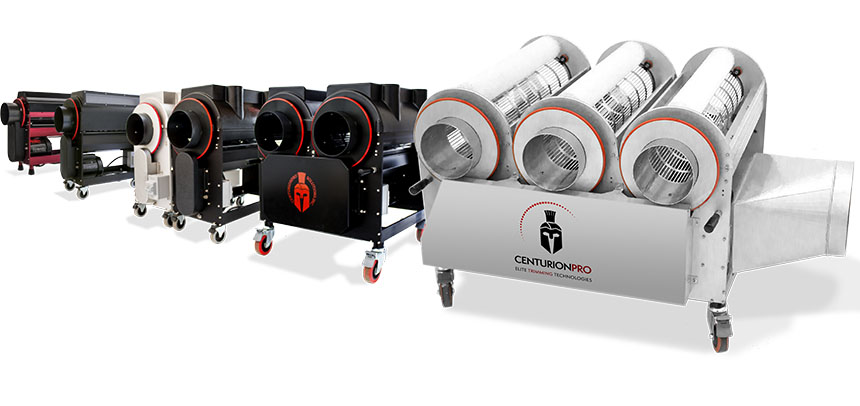
All pre-owned CenturionPro models are refurbished back to almost brand-new condition with repairs or replacements done to all critical components by our experienced technicians. In addition, refurbished trimming machines go through rigorous quality control inspections and are then offered at discounted pricing with a 5-year warranty. Other than small cosmetic scratches to the body of the trimmer, they will essentially perform like new machines.
If you are interested in purchasing a refurbished pre-owned cannabis trimming machine or would like to upgrade your old CenturionPro to a new model, please contact us at 1-855-535-0558.

CERTIFIED REFURBISHING
All certified pre-owned refurbished cannabis trimming machines have been built and reconditioned by hand to the highest standards, so you know you are getting a quality product at a discounted price.

BENEFITS OF OWNING A REFURBISHED MACHINE
The CenturionPro Certified Reconditioned Series delivers premium CenturionPro quality at a discounted price, in addition to a lifetime of superior customer support. Also, our rigorous 56-point Certification process ensures you’re buying a cannabis trimming machine which is operationally as good as new.
5 YEAR WARRANTY
Finally, all CenturionPro Certified refurbished cannabis trimming machines come with a 5-year hassle free warranty.
Above all, CenturionPro Solutions understands the large and small needs of gardeners. As a result, we are proud to offer our customers the opportunity to trade-in any of their used CenturionPro trimmers for a credit towards a new model of our CenturionPro trimming machines. This is part of our continued effort to strive towards providing excellent customer service and care.
CURRENT SELECTION OF REFURBISHED TRIMMERS
-
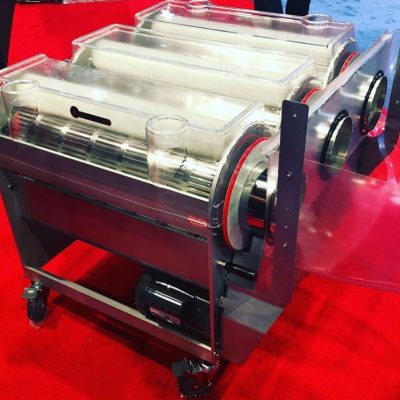
Refurbished 3.0 Trimming System
$17,000.00
Details -
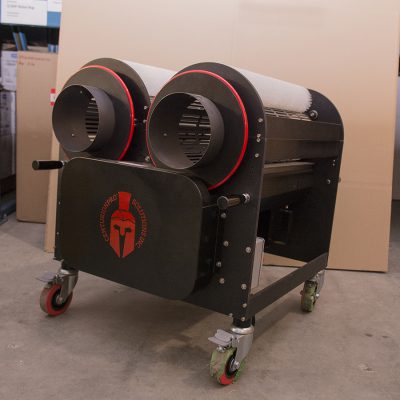
Refurbished Gladiator Trimming System
$11,000.00
Details -
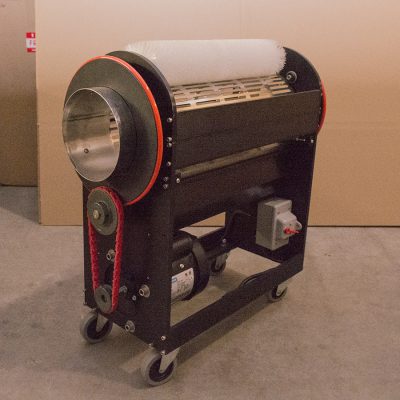
Refurbished Mini Trimming System
$5,000.00
Details -
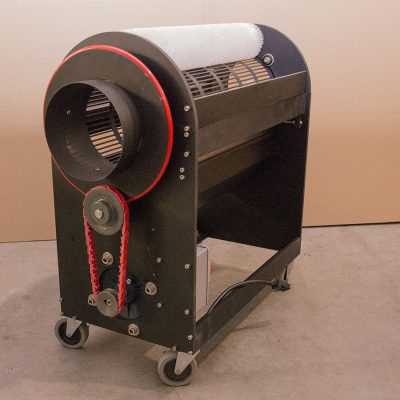
Refurbished Original Trimming System
$7,000.00
Details -
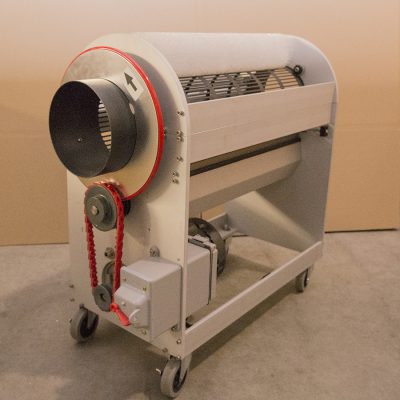
Refurbished Silver Bullet Trimming System
$7,500.00
Details -
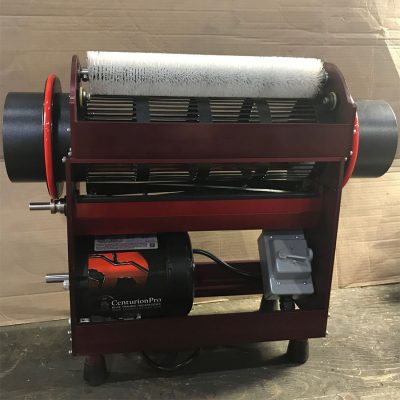
Refurbished TableTop Trimming System
$2,900.00
Details