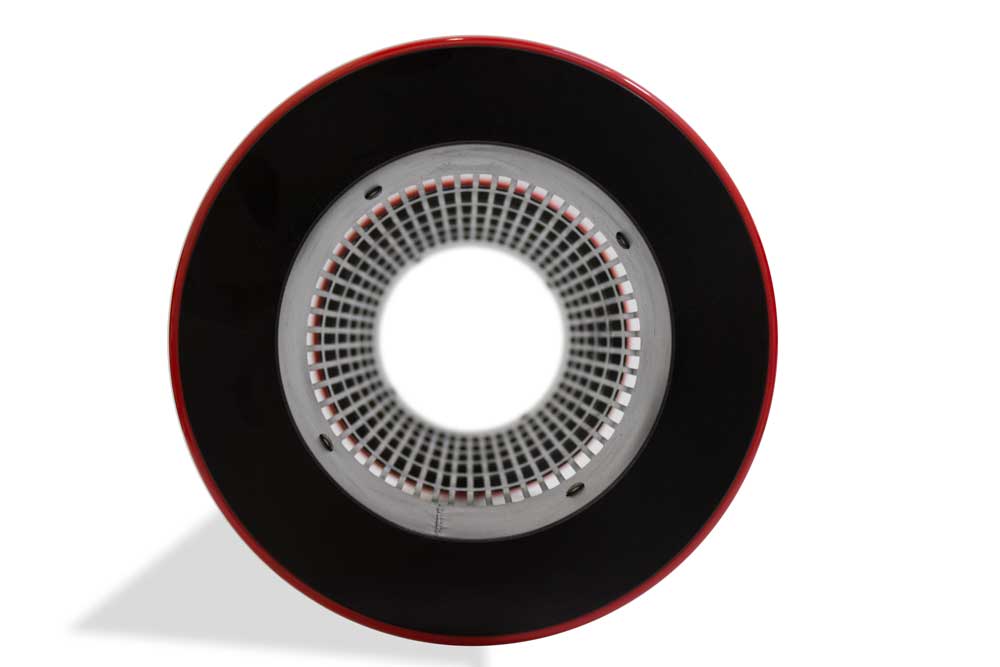
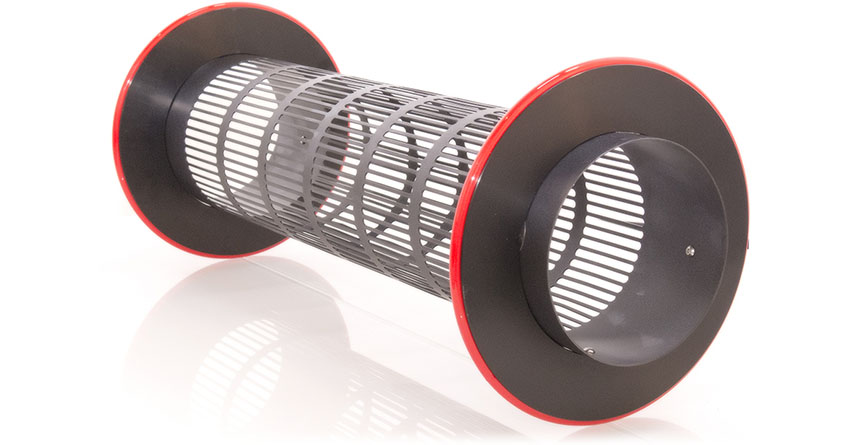
UPGRADE TO NON-STICK

QUANTANIUM

COATED TUMBLERS

What Is Quantanium?

Quantanium is a multi-coat nonstick with a unique mix of titanium particles blended into each coat. Quantanium’s multi-layer internal reinforcement of titanium creates resistance to scratching, abrasion and wear that exceeds most internally re-inforced and all conventional nonstick coatings on the market.

In addition, all of our Quantanium non-stick coated tumblers are made without PTFE/PFOA.

Why Do We Use Quantanium?

HIGHER POTENCY HARVEST

The nonstick properties of the Quantanium tumbler prevents precious trichomes from adhering to the tumbler surface without the need for sprays. This results in the end-product having a better visual appearance while maintaining its strong natural aroma and flavors. Overall, this results in a better-quality end-product as the natural properties are preserved during the harvesting process.

SAVE TIME = SAVE MONEY

Another benefit of the Quantanium tumbler is that it speeds up the harvesting process since no downtime is required to stop and clean the tumblers throughout the day. A simple wipe down with a cloth and warm water will remove the small amount of residue that may be present.

Cleaning the Quantanium Tumbler

When cleaning the Quantanium tumbler, we recommend that you DO NOT pressure wash it. This will cause the coating to flake and come off. Treat the tumbler the same way you would treat a non-stick pan at home by letting it soak in warm, soapy water. After letting it soak, rinse the tumbler and then wipe it with a soft, clean cloth.
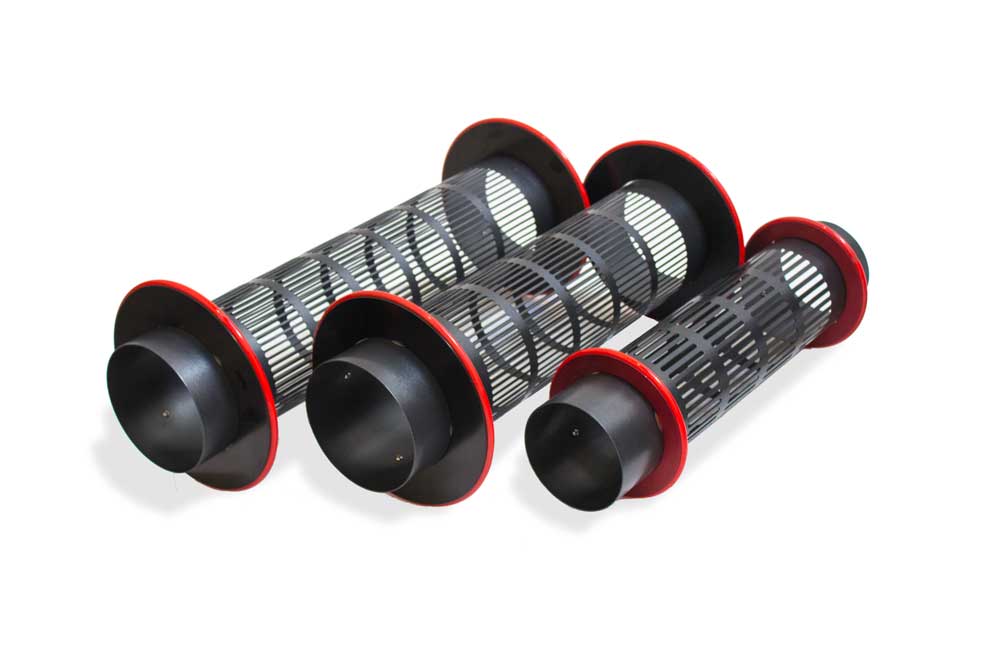
Elite Trimming Machine Line Up

INDUSTRIAL • RELIABLE • EFFICIENT • SIMPLE
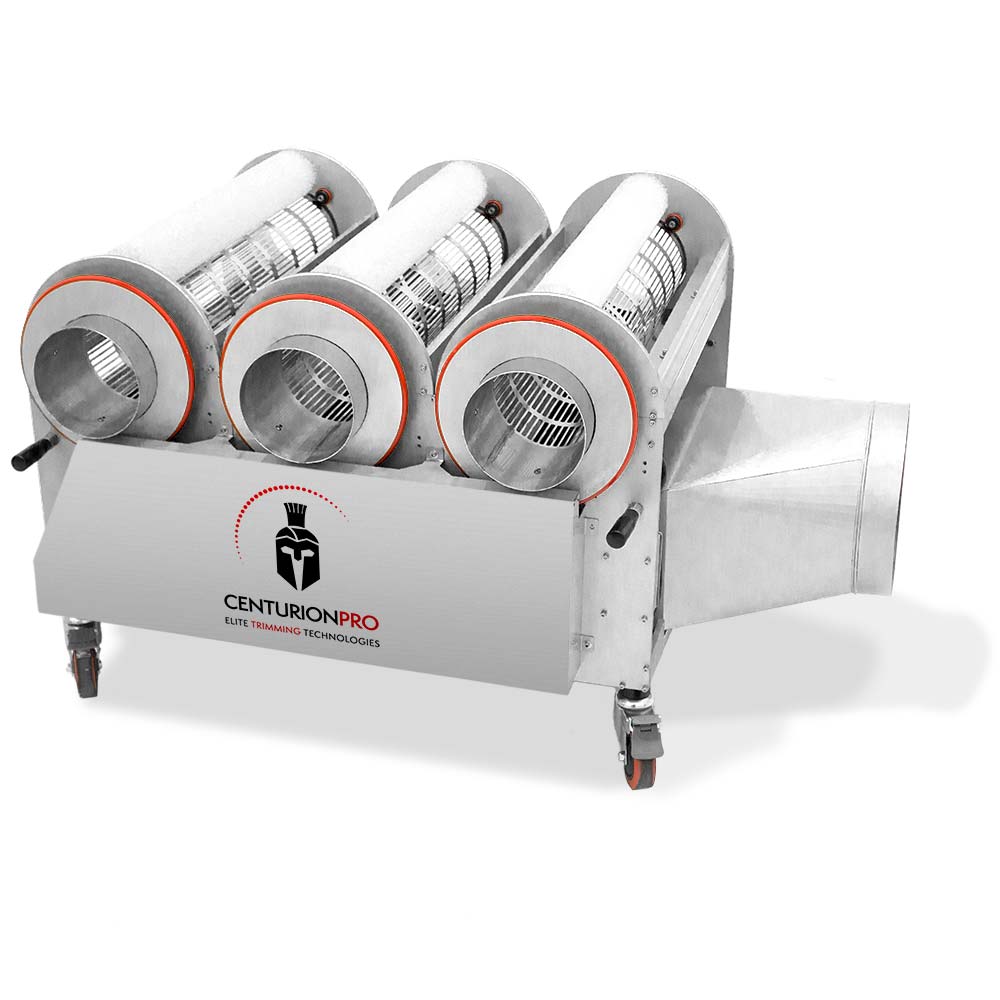
3.0

$22,995 MSRP
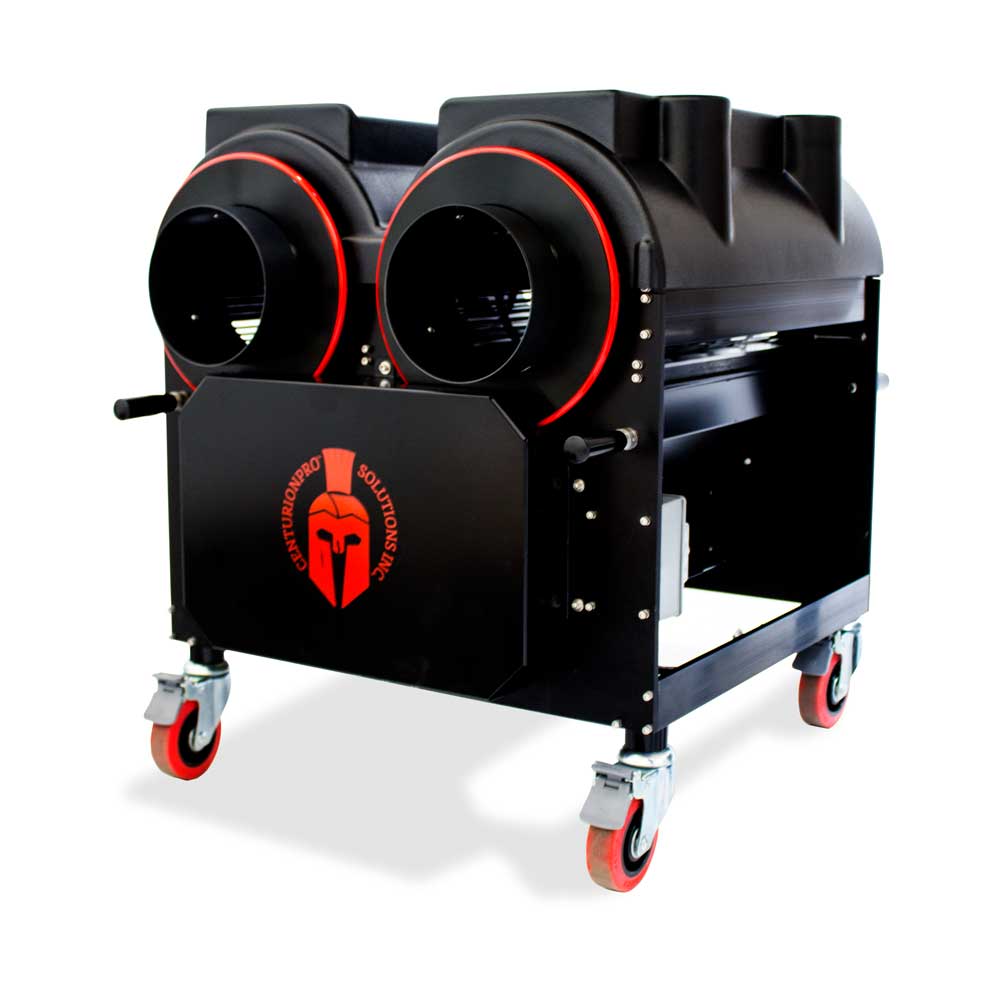
 

Gladiator

$14,995 MSRP
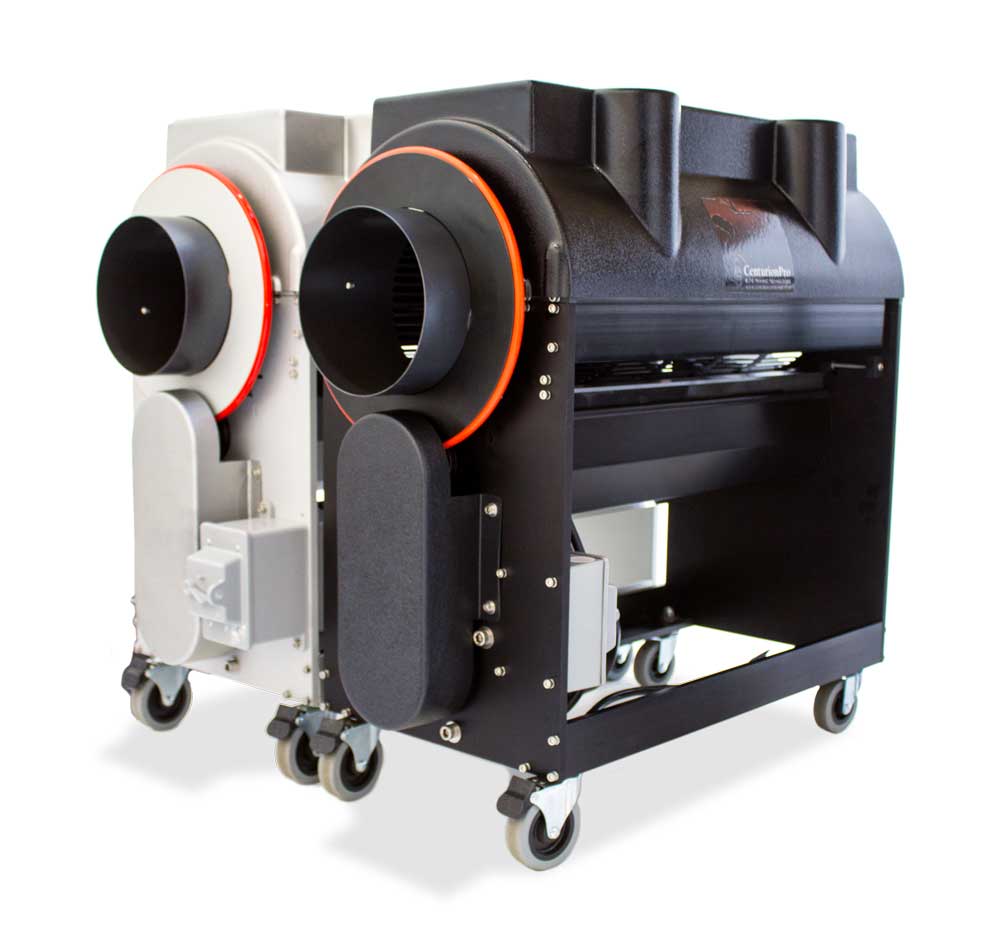
 

Original & Silver Bullet

Original: $8,995 MSRP

Silver Bullet: $9,495 MSRP
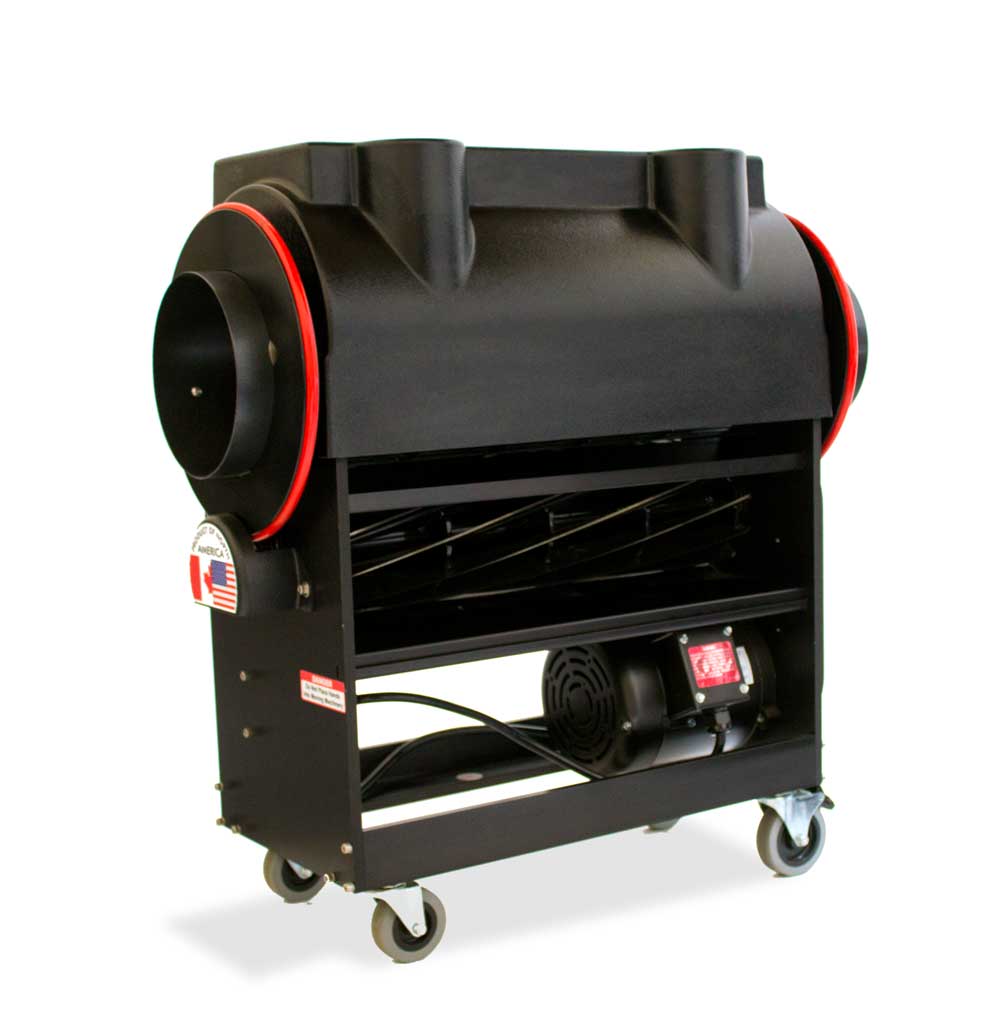
 

Mini

$6,495 MSRP
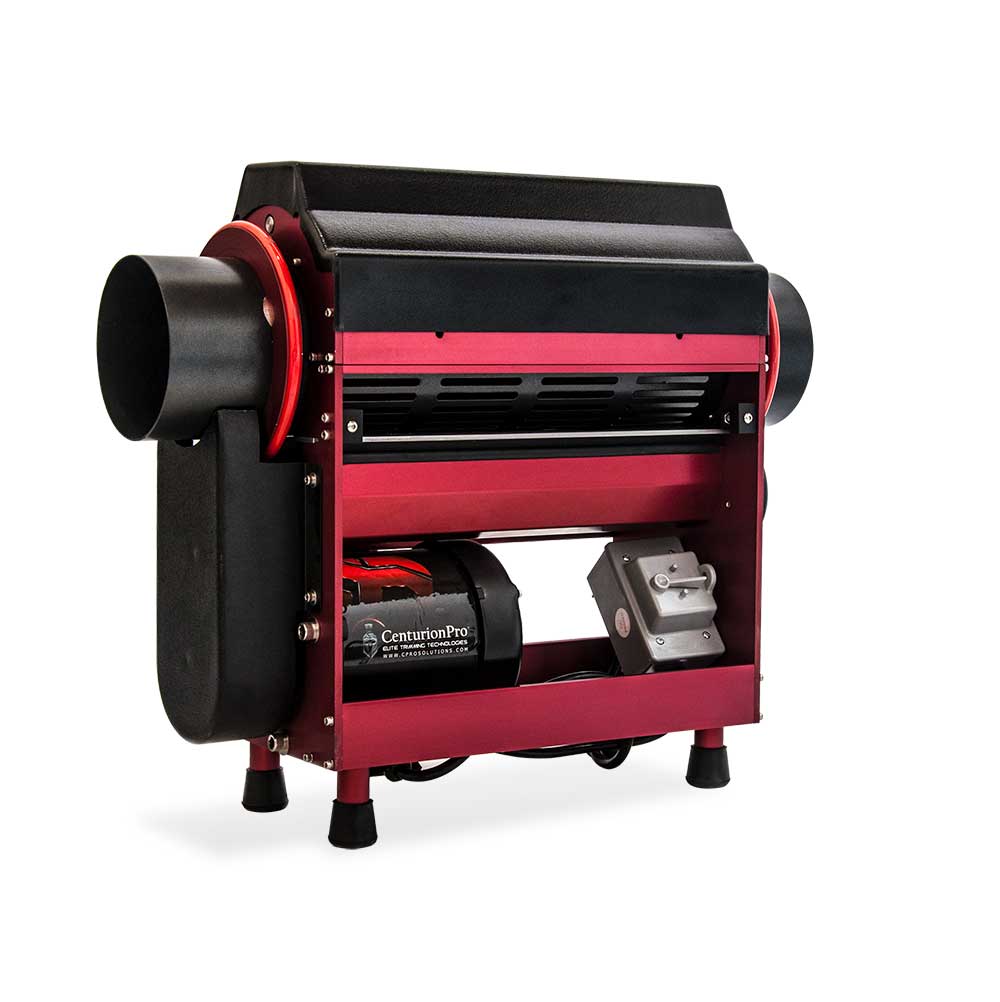
 

Tabletop Pro

$3,995 MSRP


GMP refers to the Good Manufacturing Practice Regulations promulgated by the US Food and Drug Administration under the authority of the Federal Food, Drug, and Cosmetic Act (See Chapter IV for food, and Chapter V, Subchapters A, B, C, D, and E for drugs and devices.) These regulations, which have the force of law, require that manufacturers, processors, and packagers of drugs, medical devices, some food, and blood take proactive steps to ensure that their products are safe, pure, and effective. GMP regulations require a quality approach to manufacturing, enabling companies to minimize or eliminate instances of contamination, mixups, and errors. This in turn, protects the consumer from purchasing a product which is not effective or even dangerous. Failure of firms to comply with GMP regulations can result in very serious consequences including recall, seizure, fines, and jail time.

GMP regulations address issues including record keeping, personnel qualifications, sanitation, cleanliness, equipment verification, process validation, and complaint handling. Most GMP requirements are very general and open-ended, allowing each manufacturer to decide individually how to best implement the necessary controls. This provides much flexibility, but also requires that the manufacturer interpret the requirements in a manner which makes sense for each individual business.

GMP is also sometimes referred to as “cGMP”. The “c” stands for “current,” reminding manufacturers that they must employ technologies and systems which are up-to-date in order to comply with the regulation.