
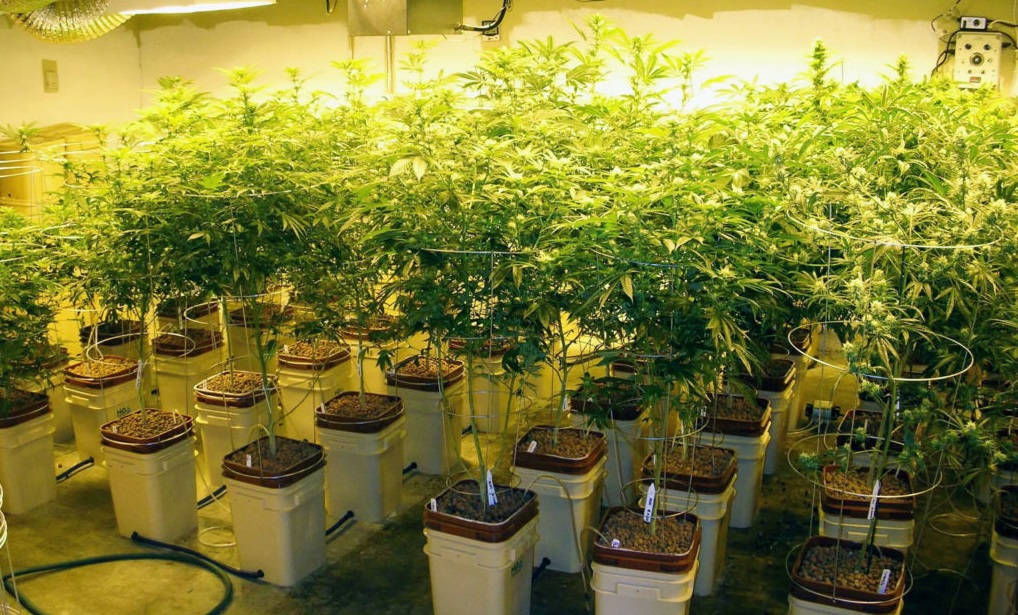
As laid out in a previous post, Hydroponics vs. Soil for Your Cannabis Grow, there are various options for growing cannabis. While we touched on what hydroponics is as well as some benefits in our previous article, below we will focus on the top 7 reasons to grow with hydroponics and go into more detail about the benefits of this particular grow style.
Reason #7 – Compact Grow Environment
One of the biggest reasons to choose hydroponics over soil is that the hydroponic environment allows for compact organization of your plants. This is ideal for individuals that have minimal space, wish to optimize their space or who would like to get the most yields per square footage of grow area. Even if you only have a small grow closet, hydroponics can improve the yields on a square-meter basis.
Reason #6 – Zero Weeding
Another benefit of hydroponics is that there is no soil used during the growing process. This is beneficial in that it eliminates the likelihood of weeds popping up in your garden all together. While weeds are less likely in indoor gardens, they can still occur when soil is used. If you are someone who does not want to deal with this gardening blyght, hydroponics is the way to go!
Reason #5 – Better Pest Control
Similarly to reason #6, hydroponics also provides better pest control due to the fact that this setup does not use soil. There are countless common pests that are commonly found in soil and, if not properly controlled, can wreak havoc on your garden. While no grow type can complete eliminate pests, it is less of a concern for hydroponic systems. This is of particularly great benefit to beginners who may not recognize or be able to treat pests quickly enough, as well as experienced growers who wish to limit potentially destructive outcomes in their garden.
Reason #4 – Control & Cleanliness
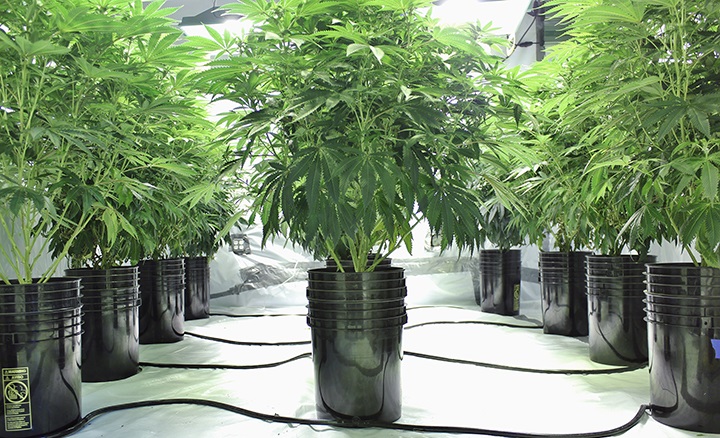
Another appealing factor for hydroponics is the level of control and cleanliness that can be established with this grow setup. By removing soil from the equation and suspending plants with nutrient and water lines, the grow area becomes a lot easier to maintain in terms of cleanliness for individuals that like to have a clear space. This also allows for more control over the entire grow operation as every bit of nutrition and water can be tracked through the lines to your particular plant, ensuring they are getting exactly what they need. In addition, hydroponics are always indoor setups, allowing for further control over the temperature, humidity and lighting.
Reason #3 – Better Nutrient Delivery
Following reason #4 comes better nutrient delivery, which is another benefit of suspending plants and providing nutrient lines directly to the roots. This gives your plants a rich, targeted dose of nutrients that simply cannot be achieved by growing in soil. In addition, these plants are provided a much more direct oxygen source due to having their roots exposed. While soil has its benefits, it can be a bit stingy on the oxygen. Growing plants with a constant oxygen supply is extremely beneficial as plants require oxygen for a number of processes.
Reason #2 – Automation & Efficiency
Beyond the benefits to the plant itself, there are additional benefits to growers that are easier to achieve in a hydroponic environment. The first is that many of the processes can be easily automated; from temperature and humidity to nutrient feeding, automation ensures that your cannabis plants are well-tended to, even if you are away or sick. As a result, this makes the entire grow more efficient and allows you to focus on specific plants or areas that may need attention. Click here to learn more about grow-op automation.
Reason #1 – Faster and Bigger Yields
The biggest reason to choose hydroponics rests in the fact that this particular grow environment is proven to produce bigger yields in a shorter amount of time than growing in soil. Hydroponics is able to both speed up growth rates and improve yields due to the accuracy and consistency of the environment, providing that it is set up to appropriate targets. As this grow system delivers nutrients directly to the plants roots and provides unlimited oxygen, all without the hindrance of losing nutrition and hydration in the soil, even beginners will see greater progress with this grow method over soil.
Are You Harvest Ready?
CenturionPro Solutions provides an elite line of trimming machines to suit the needs of every garden and harvest. From our compact Tabletop system designed for home growers to our commercial Original trimmer and coveted industrial 3.0 beast, we have a bud trimming machine to suit every need! Check them out at cprosolutionsbackup.com