
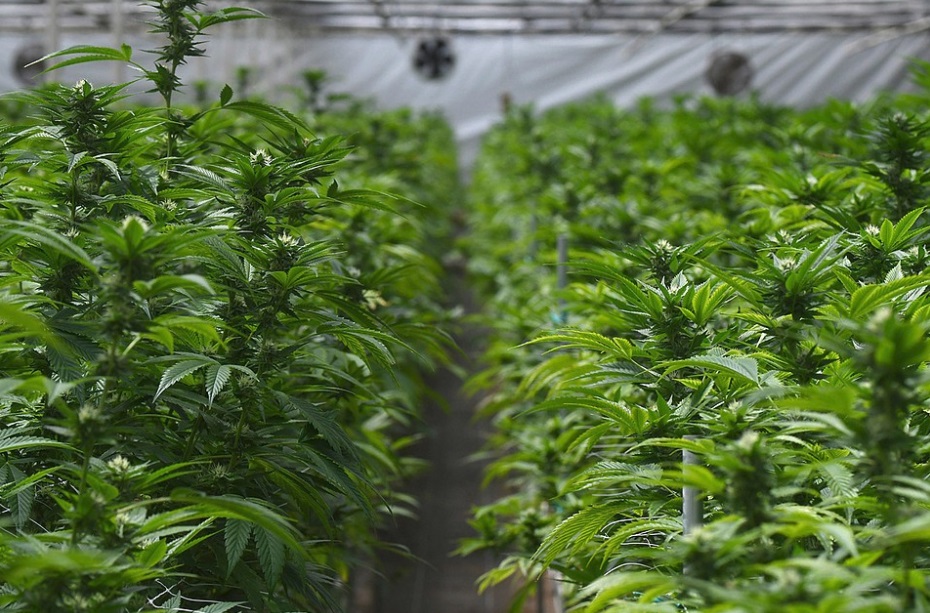
With the changes to cannabis legalization and new rules in place that allow individuals to grow cannabis at home, many individuals will jump at the opportunity! While this is very fun and exciting, it is important to ensure you have everything you need before you get started. Cannabis is an incredibly potent and powerful plant with various medical qualities and, despite the nickname of “weed”, it can be tricky to grow.
In order to get started with your home grow, you need to have the proper equipment and set up. We have prepared a Cannabis Growers Shopping List to help you get started!
Suitable Lighting
Once you have chosen your grow space, the first thing that is required is suitable lighting. There are various options for lighting in the cannabis industry, depending on your budget, expectations and size of your grow.
Compact Fluorescent Lights (CFL)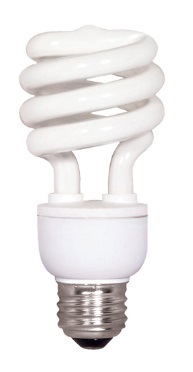
Fluorescent grow lights are easy to come by and available in most home improvement stores. These bulbs are well suited to small grows and start-ups due to their affordability. The average cost per month is $27* with an initial set up cost around $500* resulting in 1-2 ounces per harvest.
The benefits of these bulbs is that they come in a variety of ranges from 40W and up as well as various color temperatures such as daylight or warm white spectrums. The daylight bulbs are best suited to the vegetative state of your cannabis plant while the warm white have a more reddish light, ideal for flowering.
The cons of these bulbs is that they have a relatively low output, so will need to be situated closer to the plant in order to provide sufficient light.
Starter LED’s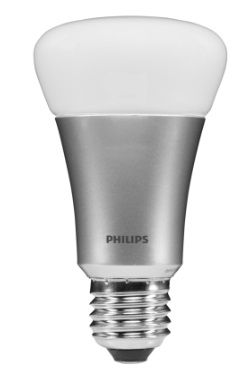
The next step up from CFL lighting is starter LEDs. Initially LED’s were not suitable for growing, but more modern versions of this bulb have proved effective for even the most demanding grows. Depending on what you want to spend, LED’s can even surpass HID lights (see below).
These lights are favored for being energy efficient, which makes them very affordable. The average cost per month is around $23* with setup costing $600*. However, they produce 2-4 ounces per harvest – which is double that of the CFLs! These lights run much cooler than other lighting options, so there is no risk of burning to your plants – it can also help to reduce temperature in the grow room and take stress off of A/C units.
Unfortunately, the start-up cost can be steep especially with higher end LED’s.
High-intensity Discharge Lights (HID)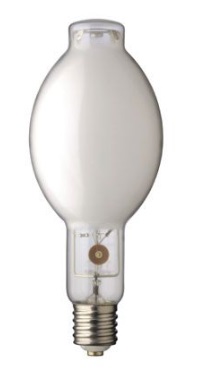
There are various options for HID lighting depending on the need of the grower. These lights are unique as they come in two versions – MH (Metal Halide) and HPS (High Pressure Sodium) lights.
MH lights have a cooler, more bluish light where the HPS sits at the red end of the spectrum. This means that MH lights are well suited for vegetation and HPS lights are best used during flowering. However, most advanced growers use a combination for the duration of the grow. There are various levels of the combination lights ranging from 250 to 600 watts.
Depending on the wattage chosen, the cost per month ranges from $33 to $61*and setup is between $600 and $800* for initial costs. Despite a steeper start-up price, these lights can produce 4 to 21 ounces PER harvest! At 250W MH/HPS you can reap 4-9 ounces while the 600MH/HPS is 10-21 ounces per harvest.
*Electricity prices are based on $0.12/kWh (USA national average) and $0.25/kWh (city average). Depending on the cost of electricity where you live, the average may go up or down but this provides a good rough estimate based on the types of lighting.
Environmental Control
Beyond lighting, the second most important factor for a proper indoor cannabis grow is full environmental control. The environment for your cannabis plant refers to temperature and humidity control to ensure an optimal grow.
In order to best manage your environment, you will require:
- A thermometer to ensure optimal temperature ranges
- A timer to manage lighting or other systems
- A heater to produce warmth and improve temperature
- An A/C unit to regulate heat and reduce the room temperature
- Proper ducts and air flow for ventilation
The best temperature and humidity for growth will depend on the strain. However, on average, cannabis is best suited to 70-85°F (20-30°C) during the vegetative state and 65-80°F (18-26°C) during flowering, in order to produce the best color, trichome density and smell.
Temperatures below 60°F (15°C) will stress out your cannabis grow and can even cause death. Similarly, temperatures above 80°F (26°C) during flowering can slow bud growth and reduce potency and smell.
Relative humidity during vegetation is ideal around 40-70% but needs to be reduced to 40-50% during flowering.
Grow Tools
Once you have your lighting and environment setup, you need to ensure you have all the requirements to actually grow cannabis.
Some of the things you will require include:
- Proper grow medium (soil or silt is best for cannabis)
- Liquid fertilizer and nutrients to ensure healthy and strong plants
- Access to water as cannabis plants can take in several litres
- Various grow containers
Cannabis is best started in a 1×1 container and then moved to a 4 x 4 pot and up to 1 gallon, 3 gallon and 5 gallon pots as it grows. To ensure healthy growth, they must be properly fed and watered. Keep an eye out for any warning signs that may indicate an issue with nutrition or something more serious.
Cannabis Seeds, Seedlings or Clones
Lastly, you need the cannabis itself! If you are feeling brave, you can start the plant from a seed or seedling but most new growers will achieve best results from a cutting or clone of an existing plant. However, these can be hard to come by, especially with new legalization rules.
Bonus – A Trim Set-Up
Depending on the size of your grow, you may benefit from a bud trimming machine such as the CenturionPro Tabletop which is designed for home grow operations. These trimming machines are extremely efficient and can turn a job that takes several hours or days, into a one hour process saving you time and energy so that you can focus on your next grow cycle!
For example, if you are operating under the new Canadian rules you are allowed to grow up to 4 plants per household. Depending on your lighting and environmental control, each plant will yield is approximately one to four ounces of dry flower. If you are more advanced grower, you may be able to get up to 6 ounces or more once dried. Typically hand trimming can take anywhere from 4 hours to 3 days but with a Tabletop Pro, it can be done within an hour. The benefit of the machine is that it strips and trims the bud, which is a time consuming process when done manually.