
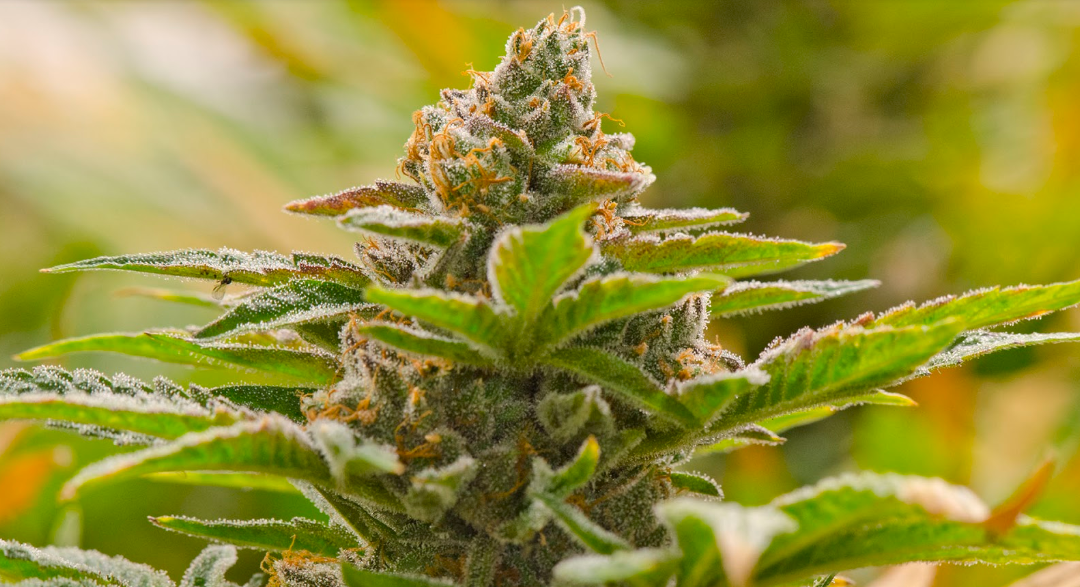
When it comes to growing cannabis, there are a lot of techniques that can be used to improve yields. This is known as “plant training” and there are various methods that can be used including Screen of Green, mainfolding or mainlining, low stress techniques and more. While these techniques are greatly beneficial, they can be disastrous when done improperly.
In order to reap the most benefit from your garden, it is a good idea to take note of these common plant training mistakes and work to avoid them!
Not Plant Training
One of the first mistakes you can make is choosing not to do any plant training. While you can still get great results without plant training, putting these techniques to use can significantly improve your harvest and can help maximize your growing space.

Accidentally Breaking a Main Stem
One of the biggest “uh oh’s!” when it comes to plant training is accidentally breaking or cutting a main stem. More often than not, this occurs when the individual is bending the plant at the wrong part or when the stems have become older and more solid. Bending stems is ideally done while the plant is young or done only on new growth while the stems are more flexible, which will make the process much smoother.
In some cases, if you break a stem you can tape it up and the plant will heal in a couple of weeks but it is best to be very careful and ensure you are choosing flexible points before committing.
Keeping Plants Too Small
Another big mistake when it comes to plant training (and growing in general) is keeping your cannabis plants too small. This presents an issue as a plant that is too small at its base cannot support a large quantity of buds. Ideally, in order to grow your plant to fill the space, you will want to wait until the plant is 3 to 4 weeks old before initiating the flowering cycle – some growers will wait a little longer until 6 weeks. At this time, putting the plants on a 12/12 light schedule will be the most beneficial. Starting the light cycling prior to four weeks will most likely result in stunted growth.
Growing Plants Too Big
On the other side of the coin, growing plants too big can also become an issue when your goal is yields. Plants that are allowed to grow out of control and get too large during vegetation will result in wasted resources and an overcrowded grow space. Overcrowding can lead to light burn, mildew, bud rot and other issues that can stunt bud development.
As plants are known to double in height during flowering, changing over to the 12/12 lighting cycle when the plants have reached half the desired height is a good guideline.
Topping Too Early or Incorrectly
The first rule of topping is that it is best to wait until the main stem has at least 3 or 4 nodes as topping the plant too early can slow or even stunt the growth of the plant. When the plant is topped at the right size, it often won’t slow down at all!
There are various ways to top a cannabis plant, depending on your experience and preferences. Cutting the tip off the top will result in very little chance of stunting, even with just 3 or 4 nodes. There is also the option of topping down to the 3rd node. This helps to form a manifold that can help with more extensive plant training.

It is important to leave some extra stem when topping, which will prevent splitting and maintain a strong stem. In addition, it is important not to damage the growth tips during topping as these will become your new main colas.
Not Properly Securing Your Plant
Despite popular belief, string is not the best object for securing your plant as it will slowly cut into the plant overtime and can result in stress or damage. A better option for securing your plant for training techniques is to use plastic twist ties as they are easily manipulated and are softer material, so they will not cut into the plant.

A good tip is to secure the ties to the container itself, which makes it easier to move if needed!
Excessive Stress to Sick or Slow-Growing Plants
Lastly, a plant that is slow growing or is suffering from a nutritional deficiency will be more sensitive to stress than a healthy plant. This means that any training technique from topping to low-stress methods can further agitate the plant and slow recovery time. If you have a sick or stressed plant, it is a good idea to move the grow light up a few inches and allow it a few days.
Harvest Time!
If you have successfully trained your plant, harvest time is going to be that much better! However – the better the yield, the more there is to trim! This is where a bud trimming machine such as the CenturionPro Tabletop home grow system or the Mini bud trimming system can come in handy. These machines are designed to make an upwards of 25,000 cuts per minute and process several pounds per hour! This means that instead of taking multiple days to harvest and trim your plants, it can be done in a matter of hours. Are you harvest ready?