
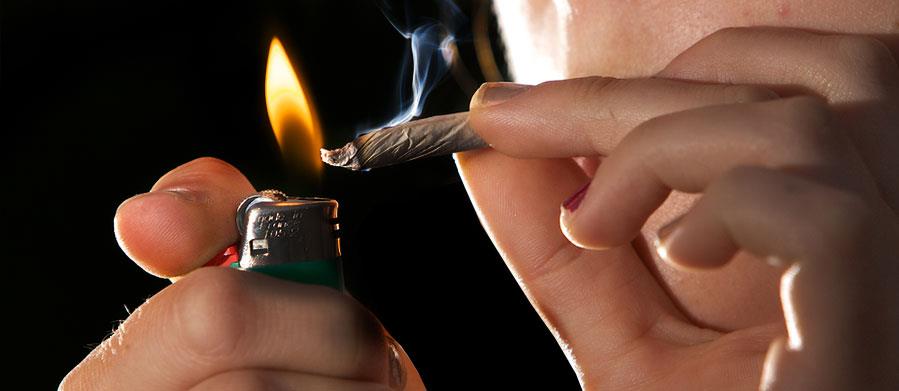
It all started in the South West with flat, brownish, heavily seeded shwag. It took forever to break up the buds and you would be lucky to get out of rolling a blunt with out any bleeding. Then we started calling the imported shipments from Cali, Kind Bud or KB. It definitely put our Mexican Brick to shame and eventually became all you could find, even before the days of the local Dispensary.
Now a days I have been looking to my budtenders more and more for education. There are constantly new products lining the shelves with new ways to consume your medicine. I walked into my local Farmacy, SUnflower in Ahwatukee, about a year and a half ago looking for something discreet. I was suffering from severe Divitucalar Disease and needed something to help me get through the day.
Working as a professional, there was no way I could cheif it up on lunch breaks with out the boss eventually catching a good wiff. Plus I didnt need couch lock, I needed the nasua and cramps to go away long enough so I could keep up in the bull pin. I started out using a rather expensive dry flower vaporizor, how ever the loading and unloading process, along with the contast cleaning, kind of defyed the descression I was looking for.
The clouds parted, and the Sun began shine as my favorite Budtender introduced me to oils. I started my oil adventure with a prefilled cartrige. I could wrap my head easily around the idea as I had used vape pens to quit smoking cigarettes years earlier. I absolutly love the prefilled cartriges. There absolutly nothing more convient, maybe a little too convinet. After spending upwards to $100 bucks for a single cartrige, I began to suck away.
I ended up loving the thing so much I never put it down. I was finally able to medicate on the couch instead of hiding in the garage. The unfortunate problem was, I sucked through it in about three days. After a few more rounds, it just became too cost prohibitive to continue. This is when I found shatter. Shatter is a translucent concentrate made out of flower and bud trimmings.
I got an inexpensive globe that fit right on top of my vape pen battery. Honestly the whole thing made me a little uncomfortable because it looked a lot like a pipe, however not the kind pot heads typically prefer. This is when my love affair with oil began. It is relitivly inexpensive and a little bit goes a long way. One little dab could give me 15 hits and the cost was half of what I was used to spending on flower in a week.
I loved it and actually gave up flower for months, except for the occasional bedtime preroll. I tried it all. Shatter, taffy, honeycomb, wax, whatever. I loved each one more than the last and cannot wait to try what comes out next!