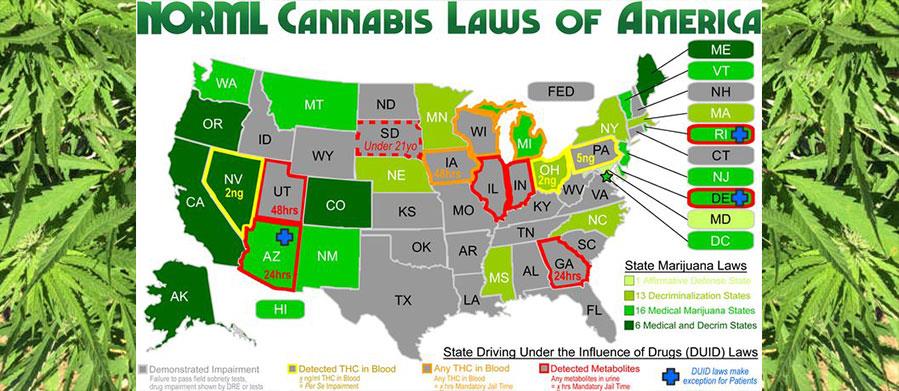
Well, here we are a month away from Election Day, and it seems likely that California will join the four other states that have legalized marijuana for recreational use. Every poll taken so far this year indicates that most voters favor Proposition 64, a.k.a. the Control, Tax, and Regulate Adult Use of Marijuana Act, with support in three September surveys ranging from 52 percent to 60 percent. If the California initiative passes, it will more than triple the number of Americans who live in jurisdictions that see fit to tolerate cannabis consumption without a doctor’s note. Cannabis Bud Trimmers, Hand Trimmers, Bud Trimming Operators, Bud trimmers for rent, all have their eye come this next month. Rightfully so, as this will open doors for many.
But, Legalization also looks more likely than not in Maine and Nevada, although the numbers there are closer. Massachusetts and Arizona are longer shots.
In addition to the five states considering legalization for general use, four states will decide whether patients should be allowed to use (or, in Montana’s case, have easier access to) marijuana for symptom relief. If the Arkansas, Florida, and North Dakota initiatives pass, the number of medical marijuana states will rise from 25 to 28. Polling indicates that support is strongest in Florida, where a similar measure fell two points short of the required 60 percent supermajority two years ago.
So how does California stack up against the other states, come next month, you say? Well Here is a rundown of the nine marijuana initiatives on state ballots next month, including relevant polling data where its available:
Arizona (Proposition 205): Polling since August says it averages 44 percent. Opposition averages 47 percent, with 9 percent undecided.
Arkansas (Issue 6 and Issue 7): A June survey by Public Opinion Strategies put support for Issue 6 and Issue 7 at 63 percent and 68 percent, respectively. A September survey by contrast, found that Issue 6 had more support: 49 percent, compared to 36 percent for Issue 7. Opposition was 43 percent and 53 percent, respectively. The last medical marijuana initiative in Arkansas fell a point and a half short in 2012.
California (Proposition 64): Support for the measure in eight polls conducted this year, including three from last month, averages 60 percent. Opposition averages 35 percent, with 5 percent undecided.
Florida (Amendment 2): Support for the measure in 10 polls conducted this year, including two last month, averages 69 percent. Opposition averages 24 percent, with 7 percent undecided.
Maine (Question 1): Support for the measure in two polls conducted this year—one on March and one in September—averages 53 percent. Opposition averages 40 percent, with 7 percent undecided.
Massachusetts (Question 4): Support for the measure in eight polls conducted this year, including two last month, averages 49 percent. Opposition averages 42 percent, with 8 percent undecided.
Montana (I-182): polling numbers for I-182, but the 2004 initiative passed with 62 percent of the vote.
Nevada (Question 2): averages 51 percent. Opposition averages 40 percent, with 9 percent undecided.
North Dakota (Initiated Statutory Measure 5): 47 percent said marijuana should be legal for medical use, 41 percent said it shouldn’t, and 9 percent were neutral.
Well there you have it! Once California passes it is estimated that $6.50 Billion in generated revenue alone will be done by 2020. That my friends I can tell you will buy a lot of Automated Bud Trimming machines!
Michael Garay ~