
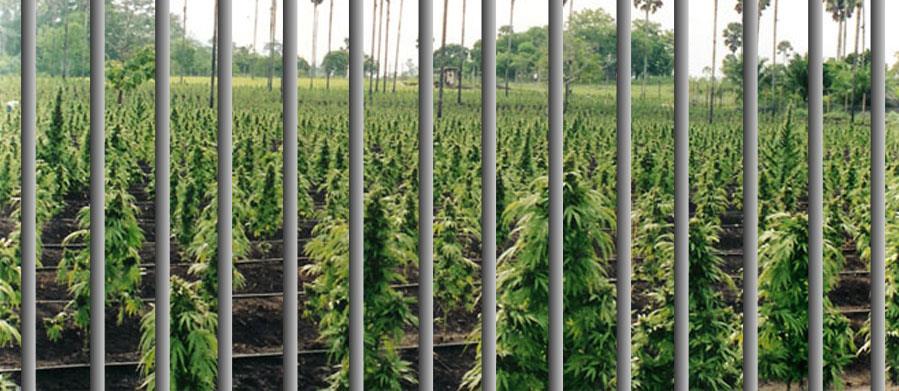
The central California city of Coalinga has taken the unusual step of selling its former prison for $4.1 million to a cannabis company that will convert it into a medical marijuana oil extraction plant.
The prison, which has sat unused for several years, was sold to a cannabis company that produces extracts by the Coalinga City Council under a deal formally approved on Thursday.
As part of the deal, the Cannabis company pledged to hire 100 locals to staff the new operation, and hopes to have it up and running within six months, the owner of the company says they also will rely on the local airport to ship their product around the state.
The city, located in the conservative San Joaquin Valley, had resisted legalizing medical cannabis. But the lure of the economic boom eventually wore down resistance to MMJ. The sale of the prison to the cannabis company for example, will bring the city of Coalinga out of debt and into the black. It was already costing the city money on unemployment and the maintenance of the prison as it just sat there. it’s possible that other localities around California may follow suit, especially in advance of November’s statewide vote on recreational cannabis.
Even though the recreational use of marijuana is illegal under federal law, it has been legal for medical purposes in California for a decade.
The owner said they hope the business will be operating inside the former prison by the end of the year.
‘We’re thrilled to be able to offer 100 jobs and make safe medicine available for patients,’ ‘We appreciate Coalinga taking a chance not only on us, but on the industry.’
The company and any other companies that are permitted to grow medical marijuana within city limits must abide by strict rules.
All employees or contractors must pass background checks and receive work permits that are kept on file with the local police department.
Facilities must be gated, locked and closed to the public, and have 24-hour video surveillance that can be accessed by police.
Well there you have it! for all those hand bud trimmers and Automated trimming machine operators get in line! Apps are now being taken, as there’s work to be done and plenty of it,
So go get some!
Michael Garay ~