
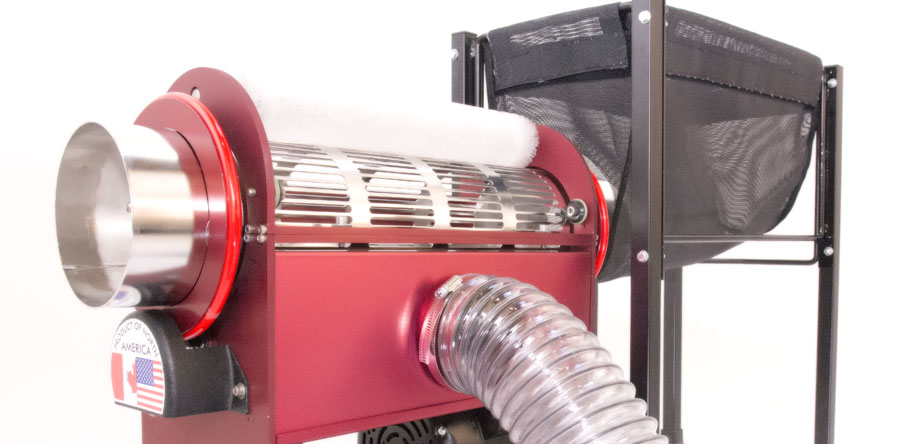
(Vancouver, British Columbia)-(CenturionPro—May 9th, 2017) CenturionPro, a company that offers advanced cannabis trimming solutions, has released its highly anticipated Centurion Tabletop Pro – the smallest and most efficient tumble style trimmer in the world.

Launching on June 1, 2017 and weighing only 35lbs, this impressive trimmer is the epitome of elegant engineering, running off just 120v power. The Tabletop trimmer compensates for the efficiency of more than six human trimmers – without sacrificing quality.

Each Centurion model comes with our exclusive non-stick Quantanium (Teflon) coated tumbler. The non-stick properties of the Quantanium tumbler prevents precious trichomes from adhering to the tumblers surface. This results in the flower having a better visual appearance while maintaining their strong natural aroma and flavour.
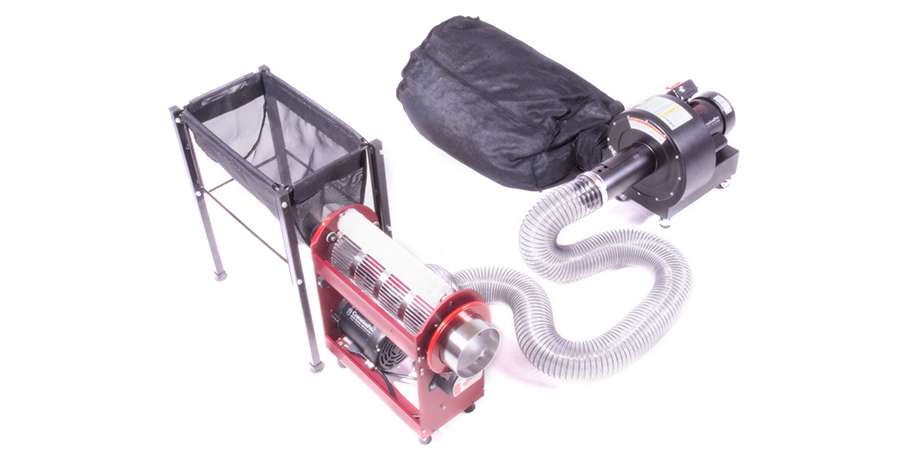
The Centurion Tabletop Pro

Centurion Tabletop Pro details:

  • Harvests 30lbs of wet cannabis per hour of use and 6lbs dry.
  • 120v power
  • 1hp leaf collector
  • 1800 CFM suction power
  • D2 hardened steel magnetic blade
  • Double bag system
  • Extra large hopper

The Centurion Tabletop Pro comes with a five-year warranty and includes a high-quality tool kit. This machine is currently being shipped worldwide to small growers looking to maximize their productivity while minimizing overhead costs.

For more information on CenturionPro, visit https://cprosolutionsbackup.com/ and keep up with the latest news via Twitter, Instagram, and Facebook. You can contact CenturionPro at 1-855-535-0558 and by emailing techsupport@dev.cprosolutionsbackup.com.

GMP refers to the Good Manufacturing Practice Regulations promulgated by the US Food and Drug Administration under the authority of the Federal Food, Drug, and Cosmetic Act (See Chapter IV for food, and Chapter V, Subchapters A, B, C, D, and E for drugs and devices.) These regulations, which have the force of law, require that manufacturers, processors, and packagers of drugs, medical devices, some food, and blood take proactive steps to ensure that their products are safe, pure, and effective. GMP regulations require a quality approach to manufacturing, enabling companies to minimize or eliminate instances of contamination, mixups, and errors. This in turn, protects the consumer from purchasing a product which is not effective or even dangerous. Failure of firms to comply with GMP regulations can result in very serious consequences including recall, seizure, fines, and jail time.

GMP regulations address issues including record keeping, personnel qualifications, sanitation, cleanliness, equipment verification, process validation, and complaint handling. Most GMP requirements are very general and open-ended, allowing each manufacturer to decide individually how to best implement the necessary controls. This provides much flexibility, but also requires that the manufacturer interpret the requirements in a manner which makes sense for each individual business.

GMP is also sometimes referred to as “cGMP”. The “c” stands for “current,” reminding manufacturers that they must employ technologies and systems which are up-to-date in order to comply with the regulation.