
With the growing cannabis market comes increased expectations for quality. With so many strains to choose from, dispensaries to browse and every grower trying to get their hand in the pot (literally and figuratively), it is important to set yourself apart.
While we have discussed previously the benefits of using automated trimming machines to increase your processing capacity, reduce theft and overhead and add to your bottom line, there are other ways to stand apart from the crowd. Beyond what producers need is what the consumer is looking for – potent, flavorful and effective bud.
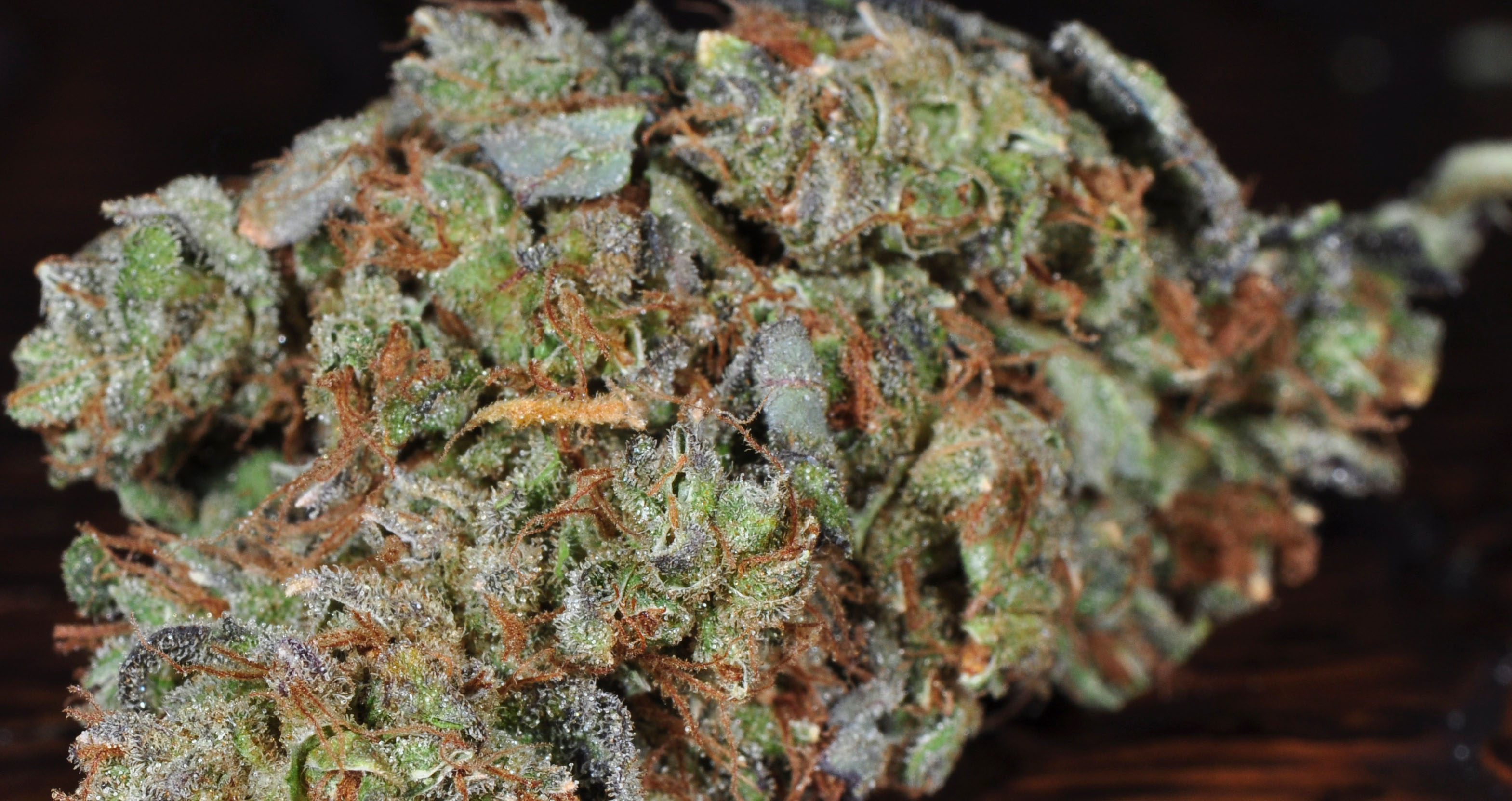
The unique scents and flavors of each strain are so specific that, in many cases, the strain has been named after it. Such as the case with Grape Ape, Blueberry Kush, Cherry Pie, Legendary Lemon, Blue Cheese, etc. So how do you produce better smelling bud that is appealing to the consumer?
This all comes down to the terpenes and terpenoids found in cannabis, many of which are contained within the plants trichomes. Beyond influencing aroma and flavors of cannabis, these compounds also influence the type of “high” that a specific strain produces. By increasing trichome production, growers can maximize the scent, taste and even the high of a particular strain. There are several different methods for improving trichome production to result in more terpenes and terpenoids and better smelling bud with a powerful flavor.
Low-Stress Training
The first method is low-stress training and is done by utilizing the stress response of your plants. This is a good opportunity for those who are experienced with growing to try as applying the correct amount of stress is a delicate process. Low-stress training is best applied during the middle or end of the vegetative stage. The goal of low-stress training is to encourage bud growth by “training” the plant to grow sideways, instead of vertically. When the plants stems grow horizontally, it allows for more exposure to light sources.
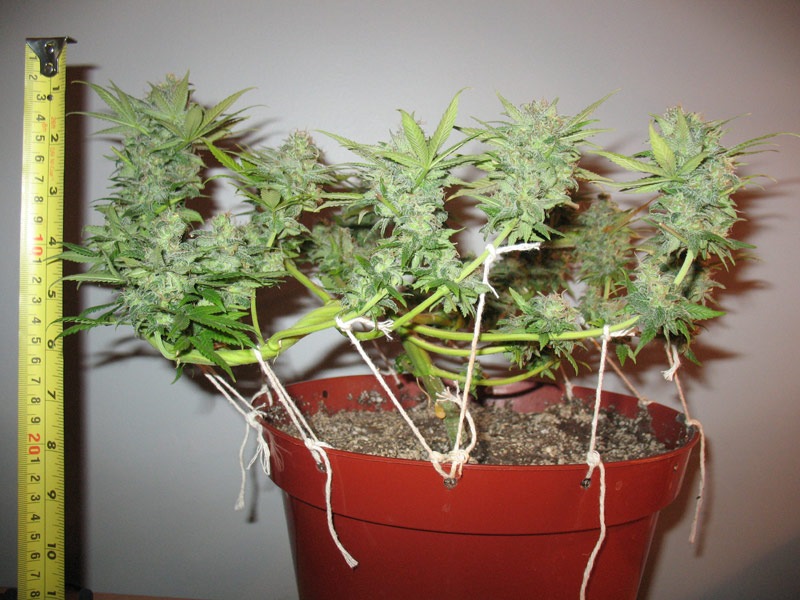
An easy way to get around this method is to simply harvest the buds on the top of the plant first, allowing the buds below another week or two to mature. Thereby, maximizing light exposure on the lower branches so as to get quality bud from the entire plant versus just the top branches. However, training your plant to grow horizontally from the start will ensure maximum exposure throughout the entire growing process.
Proper Nutrition
Perhaps the best method for ensuring the highest quality return from your cannabis plant is to provide the proper nutrition. Beginning with a healthy plant with strong genetics will maximize reward, but providing proper nutrition can improve the yield for any plant. It is possible for growers to use supplements, but cheaper and more natural alternatives will provide the same outcome. Plants, like athletes, require a proper blend of carbohydrates, vitamins and amino acids in order to flourish. Blackstrap molasses, for example, is a popular and natural source of the essential nutrients for cannabis.
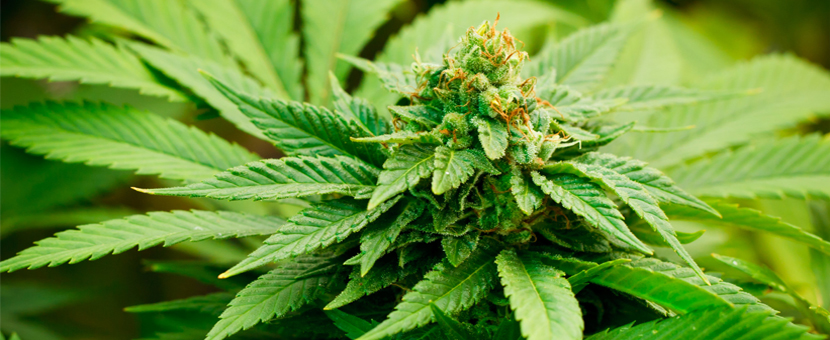
There are also many supplement options for growers who may be struggling to achieve their desired outcome. These include supplements that act as a vitamin and food source and those that add smell to your buds. While these supplements may help, they are not a replacement for proper growing techniques and quality seeds.
Light Selection
Another important factor for producing the best cannabis bud is to choose the correct lighting. Recent claims believe UV lighting can enhance trichome production (as well as terpenes and terpenoids), resulting in better smelling bud. Research suggests this is due to the plant trying to shield itself from the UV-B rays.
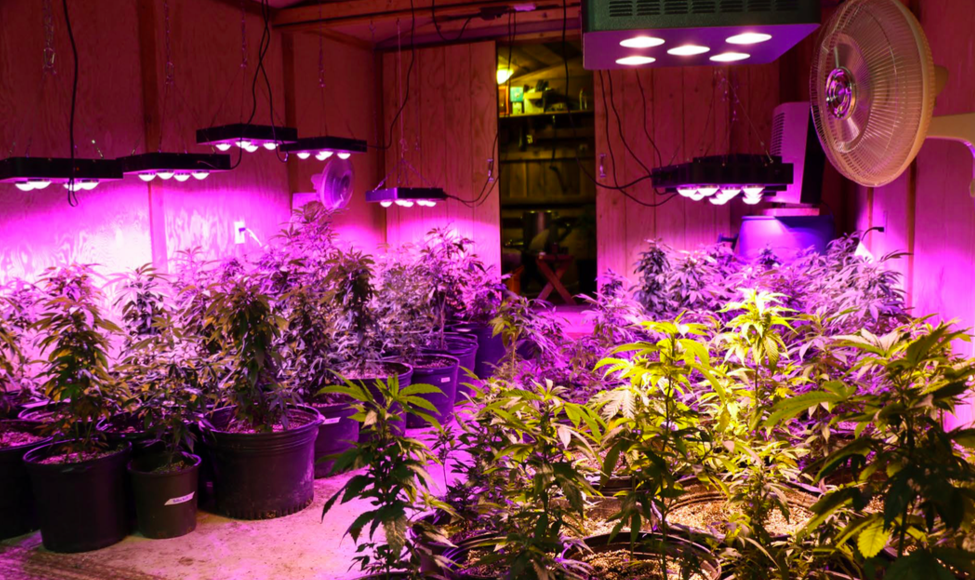
Researchers from Maryland compared cannabis grown with and without ultraviolet exposure. The research determined that those cannabis strains already high in THC produced an impressive 28% more THC when exposed to UVB light. There was no impact on CBD. This suggests that using ultraviolet lighting could not only increase the effects of your plants, but also improve the taste and smell.
Drying and Curing
Another great way to produce delicious smelling bud, is through a proper drying and curing process. Drying your bud at a slow pace in medium humidity will maintain a nice smell and prevent trichome damage. Once properly and thoroughly dried, proper curing will finalize the process allowing for the best smell and taste. Click here for more information on this process.
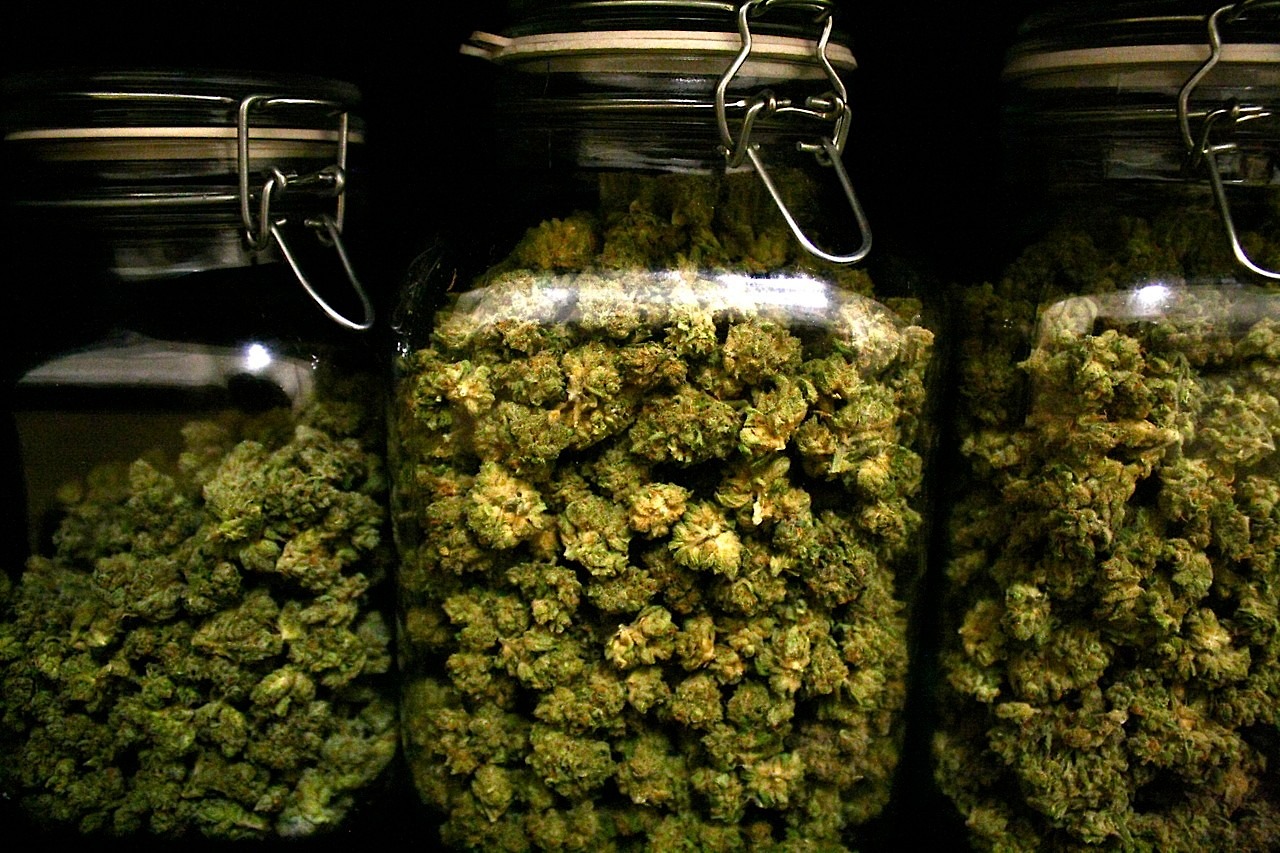
There are a few other steps you can take to improve smell and taste, such as:
- Not using an air-freshening or mist on spray around your plants, especially during the flowering stage.
- Carefully inspecting your plants so as not to miss those with mold or mildew. Removed and toss these plants immediately so as not to affect the rest of the garden.
- Employing proper air filtration is a must; chemicals in the air surrounding your plants can compromise the smell and taste you are trying to achieve.
Applying these techniques to solid, healthy strains of cannabis will ensure the best smelling and tasting bud from them. It’s easy as a new grower to be lazy and believe that good cannabis grows itself. However, any experienced grower knows this is not the case. Everything from environment, lighting, nutrition, harvest methods and the strain itself can affect trichome production and the end product.