A Growers Choice: Wet vs Dry Trimming

A Growers Choice: Wet vs Dry Trimming

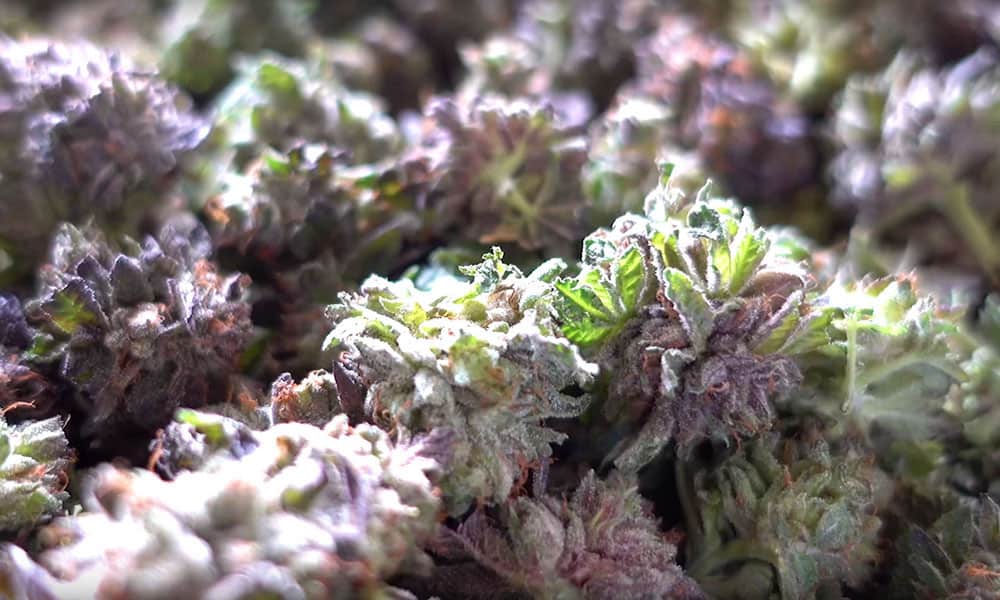
Growing cannabis is a very involved process that requires many steps between planting your seeds to harvesting and curing your flower. While there are many important steps in this process, perhaps the most vital to getting your cannabis bud from the grow house to...
Cannabis Growers Shopping List

Cannabis Growers Shopping List

With the changes to cannabis legalization and new rules in place that allow individuals to grow cannabis at home, many individuals will jump at the opportunity! While this is very fun and exciting, it is important to ensure you have everything you need before you get...
5 Tips for Growing Cannabis at Home

5 Tips for Growing Cannabis at Home

Legalization in Canada has taken the country by storm – and brought a whole new era of home growing with it! Thanks to the new rules allowing households to grow up to four marijuana plants (in most provinces), there is an opportunity for medical and recreational...
5 Reasons to Grow Your Own Cannabis

5 Reasons to Grow Your Own Cannabis

Growing your own cannabis is a very rewarding experience that gives back exactly what is put in. Beyond the pleasure of tending to your own grow, there are a number of other reasons to consider growing your own plants and producing your own bud. Reason 1: Save Money...
Growing Cannabis Without Pesticides

Growing Cannabis Without Pesticides

Growing cannabis is a tricky feat on it’s own, but this can seem more difficult if you are trying to grow naturally – that is, without the use of pesticides. However, with the right information, it doesn’t have to be. In fact, growers often rely too much on...

GMP refers to the Good Manufacturing Practice Regulations promulgated by the US Food and Drug Administration under the authority of the Federal Food, Drug, and Cosmetic Act (See Chapter IV for food, and Chapter V, Subchapters A, B, C, D, and E for drugs and devices.) These regulations, which have the force of law, require that manufacturers, processors, and packagers of drugs, medical devices, some food, and blood take proactive steps to ensure that their products are safe, pure, and effective. GMP regulations require a quality approach to manufacturing, enabling companies to minimize or eliminate instances of contamination, mixups, and errors. This in turn, protects the consumer from purchasing a product which is not effective or even dangerous. Failure of firms to comply with GMP regulations can result in very serious consequences including recall, seizure, fines, and jail time.

GMP regulations address issues including record keeping, personnel qualifications, sanitation, cleanliness, equipment verification, process validation, and complaint handling. Most GMP requirements are very general and open-ended, allowing each manufacturer to decide individually how to best implement the necessary controls. This provides much flexibility, but also requires that the manufacturer interpret the requirements in a manner which makes sense for each individual business.

GMP is also sometimes referred to as “cGMP”. The “c” stands for “current,” reminding manufacturers that they must employ technologies and systems which are up-to-date in order to comply with the regulation.