
The U.S. marijuana industry has quickly become a major job generator, with cannabis-related companies now employing an estimated 100,000 to 150,000 workers.
The estimates – released in the 2016 Marijuana Business Fact book – include employment at retailers, wholesale grows, infused products/concentrates companies, testing labs and ancillary firms focused primarily on marijuana.
It’s an impressive feat for an industry that has, for the most part, only been operating legitimately since 2009, and it underscores the rapid growth in the both the number and size of companies in the sector.
The employment figures include both part-time and full-time positions. They were calculated using the estimated number of marijuana businesses in the country and the average number of worker’s companies in each segment employ, gathered through Marijuana Business Daily’s annual survey of cannabis industry professionals.
To put these numbers in perspective, the marijuana industry now employs approximately the same number of people as there are flight attendants in the country – or web developers, database administrators and librarians.
The plant-touching side of the industry is particularly large, employing 58,000-88,000 workers. But ancillary companies that don’t handle the plant, such as cultivation lighting businesses, vaporizer manufacturers and professional services firms, also employ tens of thousands of workers.
The potential for further job growth is high, as the industry is still very much in its infancy. In 2016 alone, ballot measures in half-a-dozen states are in place to legalize either medical or recreational marijuana this fall, with several more states still fighting to get on this year’s ballot.
If even a handful of these measures pass, industry job growth will soar.
California – one of the states that will be voting to legalize recreational marijuana this year – is a particularly big prize. Already the most populous state in the country, the impact recreational legalization could have on business and employment opportunities is tremendous.
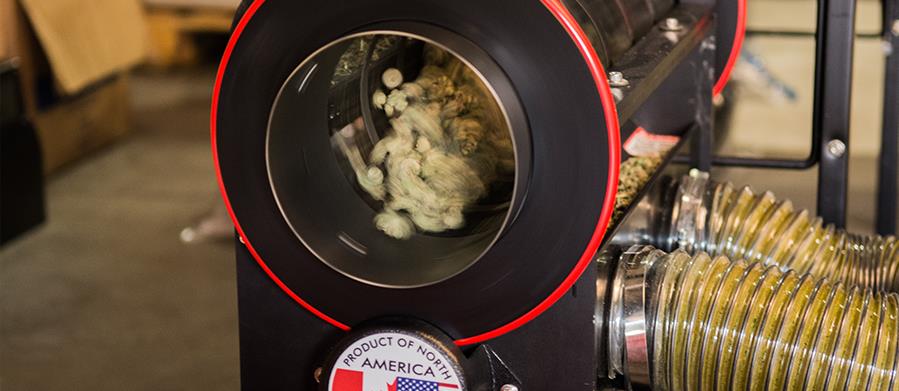
The industry is also seeing sizable job growth in some mature cannabis states, and new markets such as Maryland, Ohio and Pennsylvania will come online soon, further fueling employment. Now, how do I go about finding out how many U.S. Workers are Automated Bud Trimming Machine Operators? Maybe we’ll see a surge of that in California real soon!
Michael Garay ~