
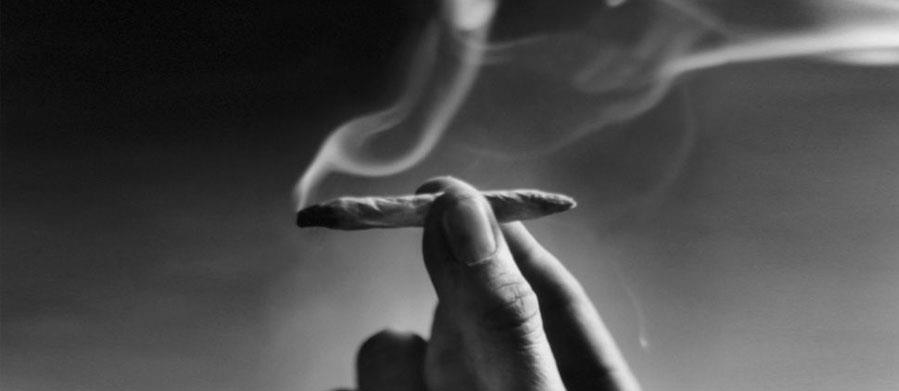
This year is a rather sad year for festival goers here in Colorado as the Cannabis Cup has been moved out of state. A lot of people are probably wondering why. ‘I thought Cannabis was legal in Colorado, what’s the big deal?’. Legally speaking, some of the practices that revolve around the Cannabis Cup leave those more conservatively inclined a little warey. Not that all the laws associated with legalization leave much room to actually advertise.
In the city of Boulder, no dispensary can legally place coupons in circulars. While this may not seem like a very big deal, some of the dispensaries that exist in Boulder are chains that are based elsewhere that can put coupons that say ‘Valid at all Locations’. For any dispensary based in Boulder this creates a very unfair market advantage. SImilar convoluted laws exist in many municipalities. Laws like these all really point in the same direction.
No one wants the wrong people to end up with or near the product. This means, first and most obviously, minors. The number one concern, as stated by the DEA in reference to their leniency towards the state by state market, is that the protection of minors is paramount. Secondly, people who don’t want to be around it. As someone who didn’t used to smoke, I know that there are people who really have no problem with Cannabis, they simply don’t wish to be around it. It is important to respect these people as well, as the freedom to do or not do what one wants is the cornerstone of the argument for Cannabis.
The main issue with the Cup is that it is illegal to sell or distribute any sort of product outside of a dispensary license. What this means is that the dispensaries typically ‘donate’ their samples for submission. This is a very slippery loophole that can look off color to the wrong eyes. Obviously everyone who goes to the cannabis cup wants to bring and enjoy cannabis products which also creates another issue of compliance. Smoking Cannabis in public is still illegal, in the same terms that drinking in public is illegal in many places. As one can imagine, there are those that do not take this as seriously, which in turn creates more of a legal risk for any dispensary involved with the Cup in state and a greater legal concern for the city of Denver.
It will be a very heartfelt goodbye, however I believe as more states legalize and the laws become better written, the cup will make a triumphant return.
~Connor