
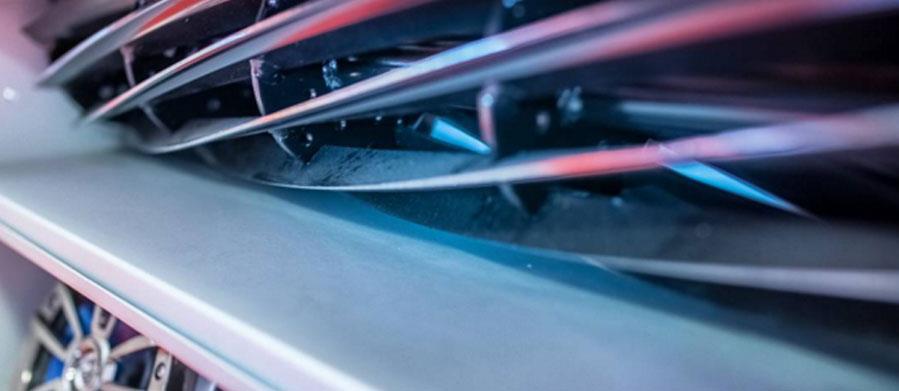
When I walk into a hydroponic retailer to introduce myself, and our fine line of automated trimming machines, I usually create a huddle of floor and over-the-counter sales reps, when I show them a video clip of our machines in action.
I love to see the reaction from the sales reps, when they group and gasp in awe of the precision trimming that our machines provide. However, when dialogue presents itself such as the security, time and the money saved that automated machines have vs. crews of hand bud trimmers, some reps begin to clam-up, or take a bit of a backward stance. Hmm.?
Well, not all have that bit of a hesitancy, so I may be over exaggerating a bit. But even though it’s a small morsel I started to begin to wonder why? Of course as a sales rep you want to dissect all objections and doubt, so I began to ask questions, but after checking into it, I than noticed that when bringing the subject up that it may sound a bit harsh, Why? Well I found out that most of these sales reps are hired hands of hand bud trimmers for some of their own customers. And that when you bring up the subject of why automated machines are in demand, well.
I began to take note when asking questions, and what I came up with, and of course with a bit of educating the masses and also intertwining their feedback, we were all in agreement that some hybrid Bud trimming has to still be involved in conjunction with automated trimming. Well, we all know for sure when you come across a nice dragon bud, that can probably win some award we definitely would think twice before throwing that in a machine.
They also acknowledged that their own customer base is looking for security, time and money saved and most of all piece of mind. As for the rest of all the hand bud trimmers that are still on the roster with their customers, well I’m sure they’ll be the ones to be counted on first to continue to hand trim the best of those golden dragons, those prized possessions from their customers crop.
Michael Garay ~