
The Political Side of it all..
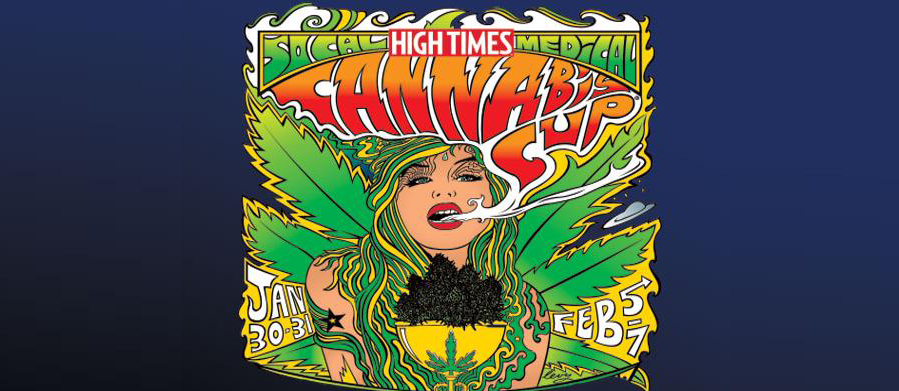
Well, HIGH TIMES SoCal Medical Cannabis Cup 2016, Part 2 of a two weekend event in San Bernardino, Ca. did not disappoint starting off Friday night with a concert by one of the most popular artist lobbying cannabis legalization, Mr. Wiz Khalifa, On Saturday afternoon a good crowd also gathered to listen to a coalition of entrepreneurs, activists, environmentalists and state politicians discussing the current legislation and the how to and don’t, of the current Marijuana laws in California.
They also participated in the backing of physicians, and lobbyists of the California Medical Association, which announced that it is backing a proposed 2016 ballot initiative to legalize the recreational use of marijuana. An initiative, which is led by billionaire technology investor Sean Parker.
The California initiative would allow anyone age 21 or older to purchase up to an ounce of marijuana and grow up to six pot plants. An excise tax of 15 percent would be imposed on all non-medical sales.
California’s legislative analyst and finance director estimate that legalizing marijuana for recreational use could net as much as $1 billion in new tax revenue for the state and local governments. By the way, Initiative supporters have until July 5 to collect nearly 366,000 signatures to qualify for the November ballot. A dozen similar proposals have also been approved to collect signatures.
Wow! Just think, a visual, of an oasis of plants that would start to spruce out of control in the concrete jungles of Los Angeles, San Francisco, or just the thought of the many bud trimmers and compact cannabis trimming machines, to keep things in perspective. Yeah! Just think bud trimmers in almost every household! well again, just a thought.
~Michael Garay