
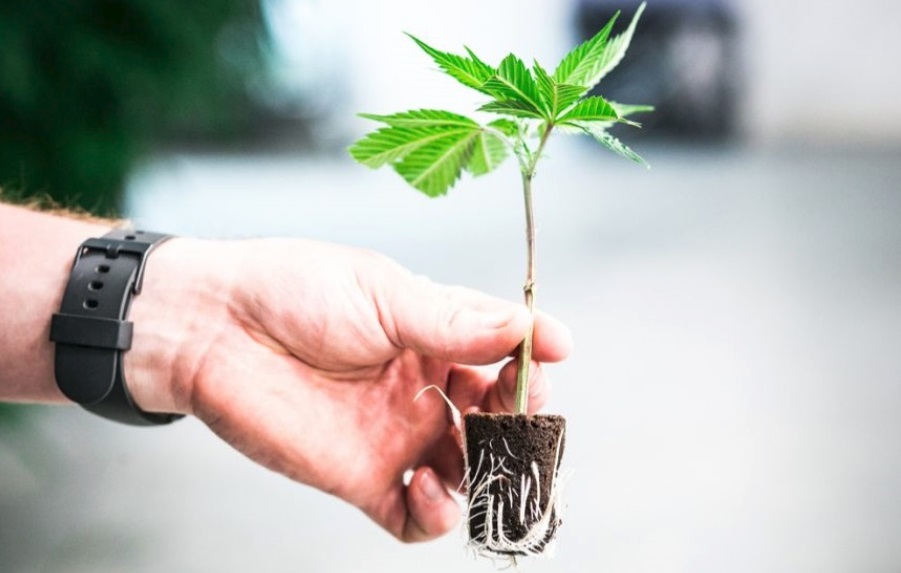
Cannabis is an incredible plant with hundreds of genetic variations, multiple grow patterns and various cannabinoid and terpene content levels. Depending on which strain or group of cannabis plants your growing, you need to adjust based on whether they are Indica, Sativa or Hybrid and make additional adjustments often based on strain or the desired effects.
One thing that remains the same, and is often not discussed, is the enormous impact that cannabis root health can have on the final plant – including how it affects yield! In fact, a healthy roots system could be considered the single most important factor in determining how well a cannabis plant will grow.
The Importance of Cannabis Root Health
In any plant, roots are responsible for absorbing and distributing nutrients throughout the plant to optimize growth and plant health. The roots send minerals up through the body of the plant out to the leaves, which use these nutrients for photosynthesis. This process of photosynthesis takes these nutrients and converts them to glucose and starches, which the plant will use for food.
A larger root system will generally result in a stronger, bigger plant – this can be akin to walking through the forest and tripping over the large roots that support giant pines and cedar trees. Without that base of support, those trees would never get that tall or wide. So, that begs the question of how do you grow big, healthy roots?
Well, when it comes to the root system of cannabis plants, there are a few factors that ultimately affect growth: Moisture, temperature and oxygen. One very important note is that these roots actually breathe in oxygen, while the remainder of the plant uses carbon dioxide (CO2).
Cannabis Root Health & Mechanics
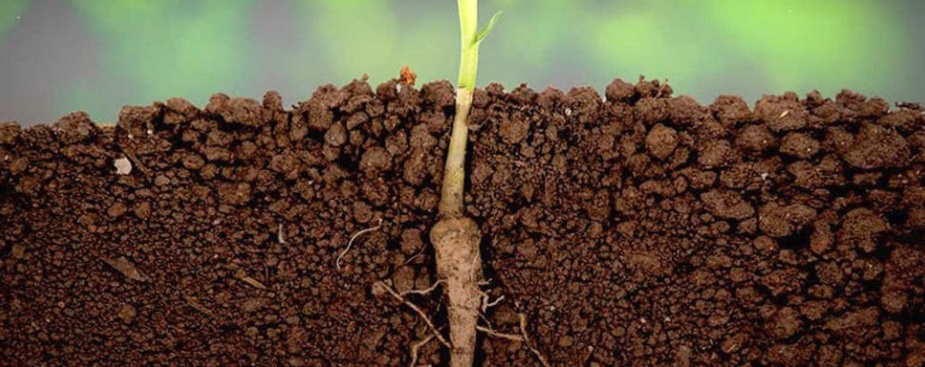
In order to ensure that you have healthy roots for your cannabis plant, it helps to understand how these roots work. As touched on above, roots send nutrients up to the leaves of the plants which use photosynthesis to convert those nutrients into usable components (ie: starches or sugar).
If the plant is being well-fed, it will produce a surplus of starches and sugars, which are then sent back to the roots of the plant for storage. The more nutrients and energy the roots have stored result in more being available for the plant to pull from when needed. When this process is running smoothly (ie: the plant is healthy, the environment is optimal and nutrition is adequate) it can often result in excess growth on the plant. In addition, the less energy the roots have to use up, the more that can go into the plant itself. This is where using the proper grow medium comes in handy, as soils that are airy and retain moisture greatly benefit cannabis plants.
Excess growth is excellent for cannabis growers who often input training techniques (ie: topping or low-stress training) to produce additional colas and, therefore, improve yields and can also result in increased trichome production.
Tips to Maintain Cannabis Root Health
There are a few things you can do to ensure that your cannabis root health is maintained and optimized for nutrient absorption in order to produce the most healthy plants.
Medium
As touched on above, having the proper grow medium can be essential for reducing root stress and energy requirements. There are many options for soil or soilless mediums (such as peat or sphagnum-based) which are often recommended due to their ability to protect the roots by buffering the feedings; thereby reducing risk of nutrient burn and allowing the plant to more effectively absorb the nutrients.
Oxygen
Unlike the rest of the plant which uses carbon dioxide for photosynthesis, roots use oxygen in order to convert any stored energy. To ensure optimal oxygen levels in indoor grows, it is best to use potting containers that allow for breathability to allow oxygen to reach the roots. For individuals who grow outdoors, aerating your soil by tilling or churning it every few weeks can be very beneficial.
Temperature
Another important aspect of root health (and overall plant health) is the temperature. However, did you know that cannabis roots grow at night as opposed to the top of the plant which grows during the day? In addition, roots grow best in a warm environment so temperatures of 75-78 degrees Fahrenheit are ideal to ensure rapid growth and good structure.
Structure
The structure of the root is very important to ensure proper root health. If possible, it is ideal not to let roots become “root-bound”. This refers to plants that have outgrown their containers and are not repotted in a larger one, forcing the plant to have continuous root growth which halts the growth of the plant.
If the plant has been previously re-potted or is not allowed to be repotted, it is allowing them exposure to air will cause the plant to prune itself. There are containers with specialized coatings to stop root growth, as well as other containers which have holes lining the sides allowing the roots to escape instead of strangling the plant.
Water
Lastly, adequate watering is important to ensure that roots are healthy and do not become drowned or oversaturated. One important distinction is that the top 1/3 of roots breathe in oxygen, while the bottom 2/3 of the roots absorb H2O. Stagnant water can easily suffocate the top roots, so it is important when watering to wait for the water to soak in and for the top inch of the soil to become bone-dry before adding additional water.
Final Thoughts
Those growers who take the time to ensure root health are greatly rewarded at harvest by having larger plants with more flowers (bud) to be harvested. You may even notice an improvement in bud quality! As more buds results in a greater yield at harvest, it will also mean – you guessed it – more trimming.
CenturionPro Solutions offers a full line-up of elite trimming machines that can greatly reduce your overall costs and stress. When it comes to harvest season, producers spend a lot of time finding trustworthy people to help trim their precious bud. Even home growers often rope in a few friends to help trim over the weekend. Imagine though, if you could trim your entire harvest in a few hours or a day instead of over a week or more!? Depending on the size of your operation, CenturionPro has a machine for you!