
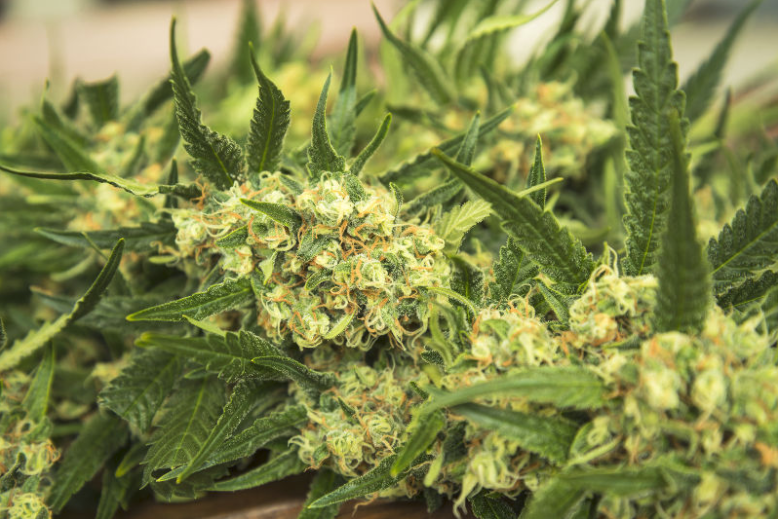
What Are “Autoflowering” Cannabis Plants?
A regular cannabis growth cycle involves four stages: Germinating seeds, seedling stage, vegetative stage and the flowering stage. Generally, each of these stages requires a slightly different environment in terms of temperature, humidity and lighting.
In most cases, plants in the vegetative state require 13-24 hours of light but this changes when they move to the flowering stage where only 12 hours of sunlight is required – per day. In this instance, most growers will use timers to keep their plants on a 12/12 light cycle. This is where autoflowering cannabis plants come in.
When it comes to growing autoflowering cannabis plants is that they will automatically flower without the need for a particularly timed light cycle! This means that after a short vegetative period of 2-4 weeks, the plants will automatically begin flowering on their own. In fact, the post-germination growth cycle for most modern autoflowering strains is just 8 to 12 weeks in total! And while they don’t require cycled lighting, for best results autoflowering cannabis strains should have 18-24 hours of light per day.
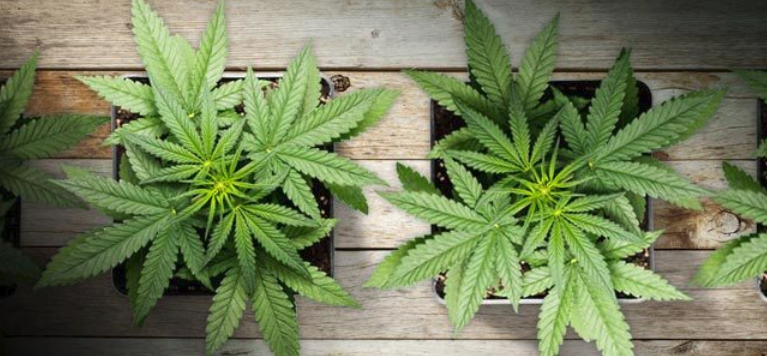
Pros and Cons for Autoflowering Plants
These autoflowering plants are created through the crossbreeding of the autoflowering ruderalis with Indica and Sativa strains and have a number of pros – and cons – for their use.
Pros for Autoflowering Plants
- Autoflowering plants will produce buds regardless of sunlight, which means there is no need for light deprivation or light supplement systems.
- These strains can take in more than 12 hours of sunlight per day and therefore create bigger buds in less time than regular plants.
- Autoflowering strains allow for rapid growth and multiple indoor cycles as they reach maturity at three months.
- Small and stealthy, these types of cannabis plants are perfect for home grows!
Cons for Autoflowering Plants
- Autoflowering cannabis strains tend to be smaller in size and, as a result, do not produce as enticing a yield as regular Indica or Sativa strains.
- They can be hard to train so may be ineffective when trying to make use of minimal grow space.
- Higher costs as they do not require 12/12 light cycling, which means increased electricity usage.
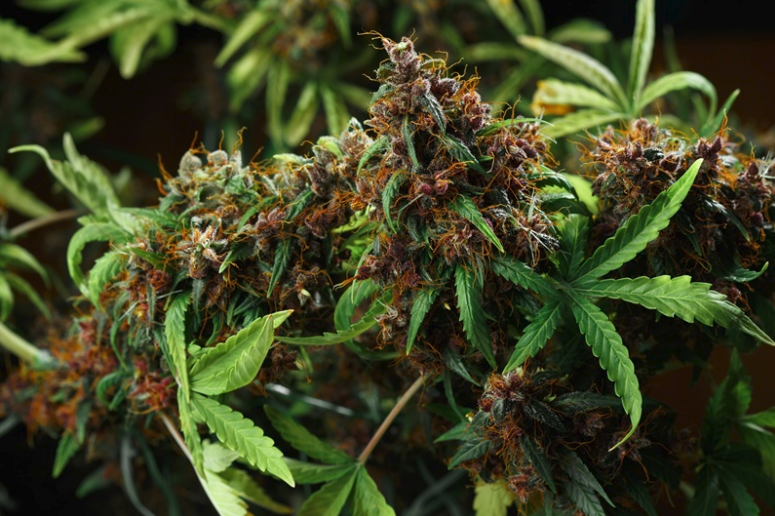
Tips to Grow Autoflowering Cannabis Plants
When it comes to growing autoflowering cannabis plants, there are a few things to keep in mind.
Outdoor Gardens
Climate is always an important factor for cannabis growth regardless of whether it is a regular or autoflowering strain. The benefit with autoflowering is that they thrive in Northern Climates as they do not need to follow traditional light cycles. This also means that they can be planted as early as March or as late as September. However if you do plant outside the traditional seasons, do keep in mind that these plants will still require warmth. In addition, extra rain can cause rot, so a greenhouse is the most preferable option for late or early crop cycles.
Feeding Tips
Due to the short stature of autoflowering plants and there shortened vegetative state, they do not require heavy feedings. They do best with light feeding and do not require heavy vegetative growth nutrients, like nitrogen. The nutrients you do provide should be done early in the vegetative state so that they can utilize them.
Training Techniques
While not as easy to train as other cannabis strains due to the limited vegetative growth cycle, it can be done. However, the window of opportunity for training is as short as two weeks!
There are a few methods that work well on autoflowering plants:
- The first is topping your plant once it has developed three healthy notes, which will promote a greater canopy and help increase yields.
- The second is to use low-stress training which involves tying the outer nodes away from the main plant to train it to grow sideways and more bushy, which will allow for new upwards growth.
Please note: Once the plants have begun to flower, it is not a good idea to top them. However, you may prune them carefully for up to the first week of flowering.
Harvest Time
Harvesting autoflowering plants is slightly different from standard cannabis plants. As autoflowering strains grow so quickly, they rarely develop a canopy meaning that you will have bud lower on the plant. In order to maximize your return, it can be a good idea to harvest the plants sequentially by first harvesting the colas and top bud on all plants, allowing the lower buds further growth before they are harvested as well.
If possible, consider waiting 6 to 10 weeks between the initial harvest of the main colas and the lower buds. This will allow for increased bud density, stronger effects and improved quality overall.
Consider a bud trimming machine to make your next harvest even easier!
Next Crop
While you are in the process of harvesting your current crop of autoflowering plants, you should already be prepping for the next crop cycle. As these plants have no need for a light cycle, you’re able to have plants in various stages in the same grow room to help maximize your grow space as you harvest one crop and plant the next.
With hundreds of strains of autoflowering cannabis plants and steady improvements to the genetics and potency of such strains, these are a great option for beginners or for cannabis enthusiasts looking to try something new!