
Making The Most of Cannabis Grow Limits
With legalization coming this summer, now is a good time to learn how to make the most of cannabis grow limits. Most of Canada’s provinces have agreed to a personal cultivation limit of four plants per household, up to 100 centimeters each (approx. 39 inches). This may not seem like much, but if properly managed it can result in a meaningful yield.
Here are a few ways that home growers can make the most out of their plant limit and maximize production.
Use Quality Genetics
The expression “you get what you pay for” is relevant in this muddled (and growing) marijuana market. As such, to maximize your grow space, the best thing to do is to start with quality seeds that have proven genetics. While average seeds can yield success, proven genetics that regularly produce high-quality plants is recommended. Quality genetics may be hard to come by in the beginning, but more options will become available as the market grows.
This isn’t just recommended for seeds, but also for clones as well. If you can get your hands on one, they guarantee the plant will produce – assuming it is grown in ideal conditions.
Implement Plant Training
Another way to turn a four-plant limit into a successful harvest is to implement plant training techniques. There are several methods for plant training. These range from low- to high-stress techniques with beginner to advanced principles. Each of these has unique benefits to the grower. That being said, legalization will likely result in new cannabis growers so we have opted to highlight “low-stress training”. This method is basic enough for new growers and yet still favored by those who are more experienced.
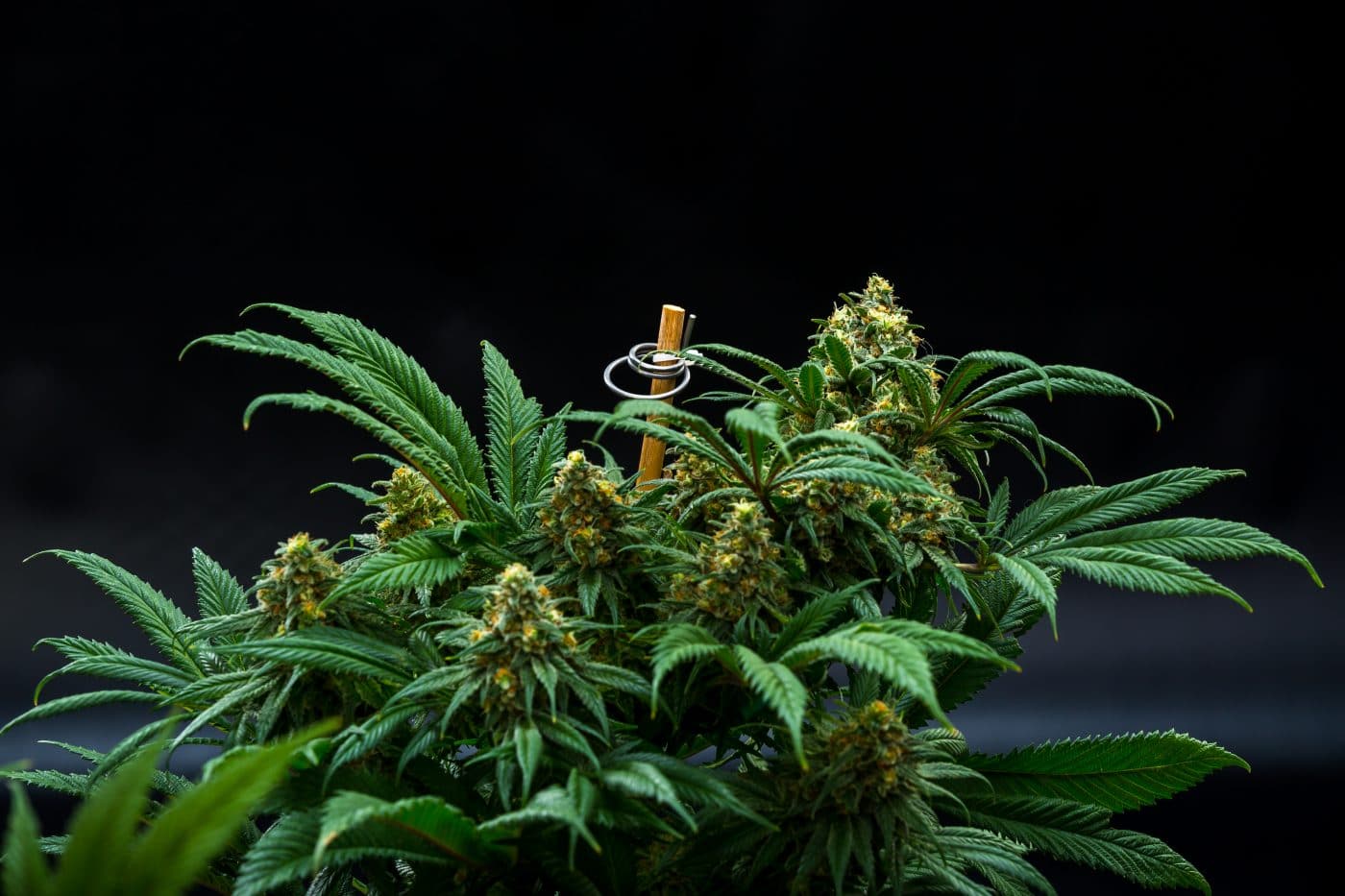
The process here is fairly simple – use twine or a tie, anchored in the soil or to the pot, to bend the stem down. The goal is to pull the stems away from each other, which will maximize growing space. This is especially relevant when you consider the height limitations for plants. Additional pros include: shorter plants with more buds, increased yields and more effective use of lighting. This method is applied when the plants are in the middle or end of the flowering stage.
Low-stress training is best combined with a process called “topping”, which is done after the plant has grown 3-5 nodes. Once that occurs, cut off the newest node. This allows new colas to form and produce even more bud.
It is important to note that each strain responds uniquely to these training methods. This information may be readily available, depending on the genetics. If not, trial and error is always a good way to go!
Perpetual Grow Cycle
A perpetual grow cycle ensures the grower can harvest their plants over an extended period of time. This is done by staggering the start dates of each plant, instead of starting each seed at the same time. This is easier if you have four of the same strain, but if you are starting multiple strains, it is best to consult the grow time and plant accordingly.
There are three main benefits to this growing approach:
- Operation does not have to be suspended in order to harvest all plants, so there are no interruptions to growing.
- Growers who utilize this method will always have cannabis on hand. This is ideal for medical users who require regular doses.
- It saves you money! While you may have an initial spend for seeds and set-up, this will taper off. Successful growers can product new plants using seeds from their crop (if proven), saving you money in the future. In addition, you will have a far greater yield for your money instead of buying by the ounce.
Store and Trade Crops
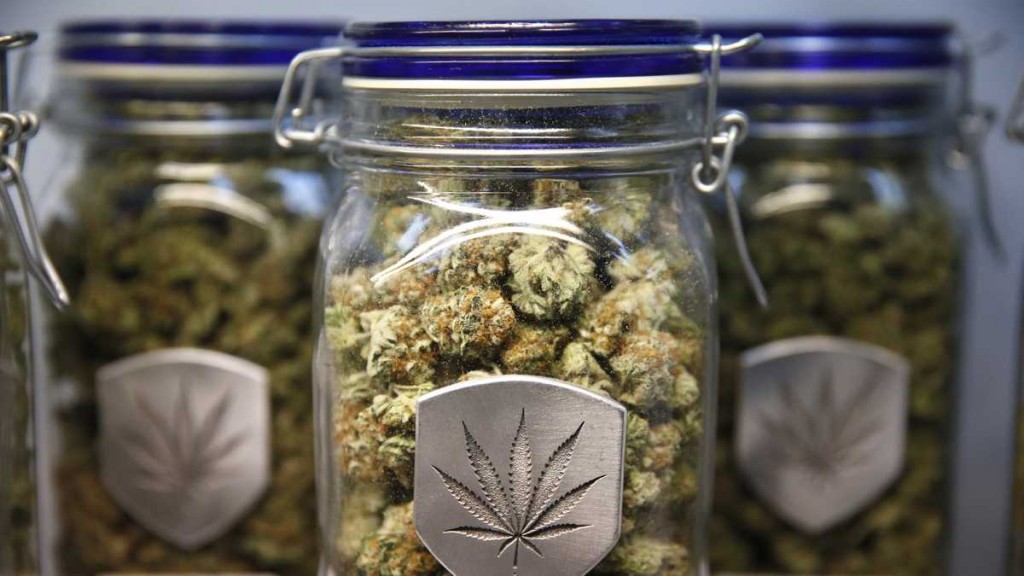
Currently, the proposed adult public possession limit is 30 grams of marijuana. This works well with a perpetual grow cycle because as you use the bud, you will grow more, allowing you to easily maintain a legal personal stash.
In the US, many states allow for trading (or gifting) of cannabis up to a certain legal limit. It is unclear if Canada will adopt this procedure, however, if so it is an excellent opportunity for home growers to store, preserve and trade their crops. This is a great opportunity to diversify your garden and try different strains, especially ones that you may have trouble growing yourself.
Many of the possession limits seems to apply to store-bought cannabis as opposed to home-grown crops. However, be sure to check the final marijuana regulations for your province after legalization, prior to starting your home garden.
Grow Outdoors
Canada is full of versatile people, plants and climate. This means growing cannabis outdoors is extremely difficult depending on where you are located. However, if you are in a milder climate, than outdoor growing can be another great way to maximize your crops. While growing indoors can yield impressive results, nothing beats natural sunlight and exposure. However, bear in mind that any height restrictions will still apply to outdoor plants, so it is still best to train them for horizontal growth and/or choose strains that tend to be bushier instead of tall.
If you do choose to grow outdoors, there are a few things to consider such as large pots (if you are growing above ground) or proper soil if you’re not. Other considerations include: soil irrigation, nutrition and pest management. Planting seeds in early spring will yield the best results; avoid planting at other times of the year as the climate will be too harsh.
If you are not sure whether or not to plant indoors consider your space and your neighbors. If you are a first time grower, you can plant two flowers indoor and two outdoor to compare your results between the natural and constructed climates. In this case, it is best to use the same strain(s) and genetics to get a better comparison on which grow option will yield the most promising results.
Timing
The last, but crucial tip for making the most of cannabis grow limits, is timing. This applies to all areas of the grow cycle from planting (early spring) and even low-stress training (when the plant is in the flowering stage).
In addition, one of the key components to a successful grow cycle is harvesting at the right time. Harvesting too early or too late can result in disaster. The average grow time for indoor marijuana plants is 3-5 months from seed to harvest but this can take 8 weeks to 7 months, depending on the strain! Fortunately, there are a few methods to help you get it right. Read our article here to learn more about harvesting.
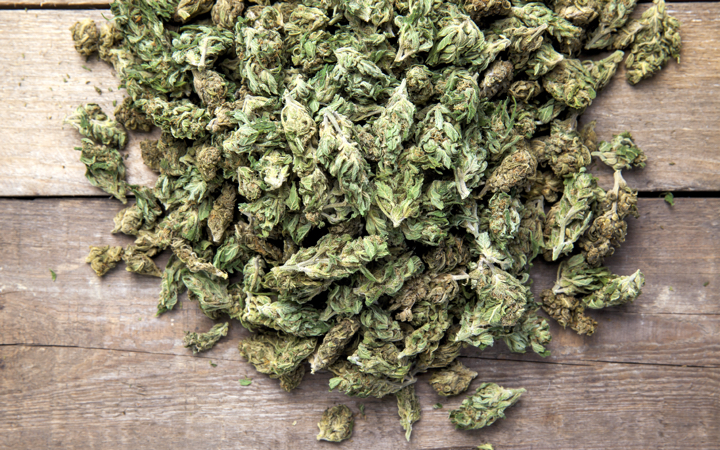
Once your plants are ready to be harvested, you might find an automated trimming machine will help you with the process – and save you a ton of time! Check out the CenturionPro Tabletop Pro! This is an extremely efficient and compact machine built for the home grower.
Lastly, another part of the process where timing is crucial is the drying and curing process. While you may be raring to try your newly harvested bud, take your time with this part of the process will ensure that your hard work does not go to waste. When done properly, proper dry and curing will optimize the smell and flavor of your bud and result in a greater final product. Read our how to article for insight on the drying and curing process.
Overall, the legalization of marijuana is a very important step for Canadians. While you may not be a fan of the limitations, we are still required to abide by them. We hope these tips have inspired you to consider home cultivation and will help you make the most of your growth limits!