
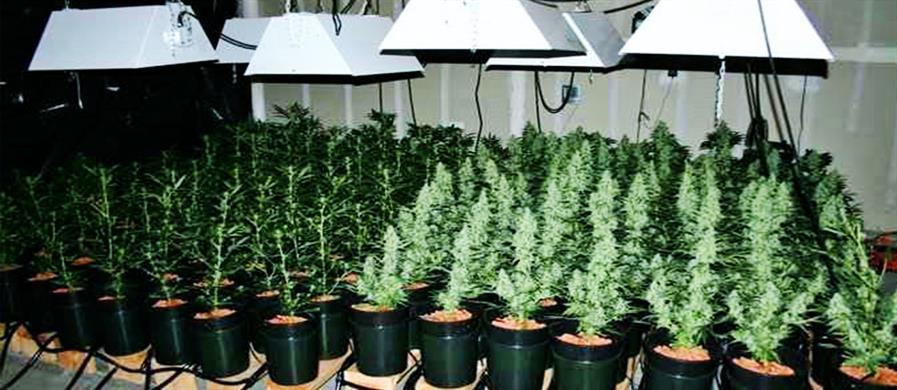
Hand trimming Marijuana vs Machine Trimming Marijuana. Now I have seen this debate go down many-o-times. Some how the conversation always turns into a weird “chicken or the egg” discussion. The weed cannasuers start talking about the Tricombs and the cannaslangers always argue the checks and balances.

When my Dad first offered to let me come to his “trimming parties” I was so excited! I pictured the whole crew sitting around admiring the sugar frosted fruits of their labor while we all puff, puff passed the night away. That was real sweet, but was unfortunately not the case.

In reality, what I experienced was back breaking labor and for the first time I truly appreciated the words: “Commercial Agriculture”. Trimming is a complete undertaking, yet some how finding enough trustworthy people, with a shred of work ethic every three months was even a greater feat. Back then there was just not any other choice. Thankfully with the advancement in bud trimming technology the process is easier and more controlled.

Trimming can be a nightmare, but it dosen’t have to be. Invest in the right equipment, and machine trimming can definitely become the new gold standard!

GMP refers to the Good Manufacturing Practice Regulations promulgated by the US Food and Drug Administration under the authority of the Federal Food, Drug, and Cosmetic Act (See Chapter IV for food, and Chapter V, Subchapters A, B, C, D, and E for drugs and devices.) These regulations, which have the force of law, require that manufacturers, processors, and packagers of drugs, medical devices, some food, and blood take proactive steps to ensure that their products are safe, pure, and effective. GMP regulations require a quality approach to manufacturing, enabling companies to minimize or eliminate instances of contamination, mixups, and errors. This in turn, protects the consumer from purchasing a product which is not effective or even dangerous. Failure of firms to comply with GMP regulations can result in very serious consequences including recall, seizure, fines, and jail time.

GMP regulations address issues including record keeping, personnel qualifications, sanitation, cleanliness, equipment verification, process validation, and complaint handling. Most GMP requirements are very general and open-ended, allowing each manufacturer to decide individually how to best implement the necessary controls. This provides much flexibility, but also requires that the manufacturer interpret the requirements in a manner which makes sense for each individual business.

GMP is also sometimes referred to as “cGMP”. The “c” stands for “current,” reminding manufacturers that they must employ technologies and systems which are up-to-date in order to comply with the regulation.