
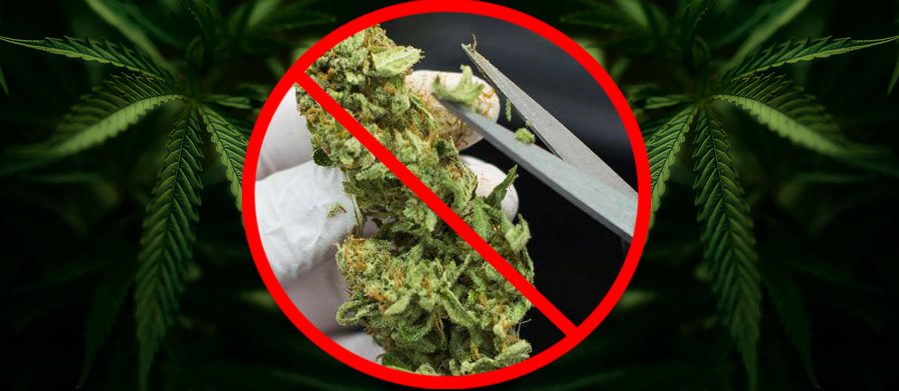
I like hand trimmed buds as much as the next person, however I honestly believe that hand trimmed buds will become a rarity in the near future. Unless hand trim is something you specialize in, from just about any standpoint, machine trimming is the only future the harvest world can expect. It is more cost effective and would allow dispensaries to hire their own tight harvest teams. Machine operators on average make more than a base level trimmer, and allows for the entire batch of each strain to have the same level of quality. Larger dispensaries in the state hire out to harvest specialists that use trimming machines such as Hemp Temps and Colorado Trim. These companies maximize their profits by having these tighter crews of more experienced workers. Hand trimming while utilizing machines would be the best hybrid, with the larger buds on the stem being hand trimmed for bag appeal. While there are many machines on the open market, after extensive research and trial and error, the superior machine on the market seems to come from Centurion Pro Solutions. With Centurion trimmers concentrates and trim weight retention have never been higher. With the dual catch bag, two new products are created for use in concentrates and edibles. The inner 200 micron bag collects any heavier materials, perfect for edibles or bag washes for bubble hash. The outer bag catches all fine material like trich matter and what some people lovingly refer to as kief. This kief can be easily ran through any number of concentrate processes either pressing for Rosin or blasting for Oil. Either can be accomplished with great efficiency and no risk to the outcome of the final product, due to the Centurions revolutionary Quantanium tumbler which requires no Clear Cut or hemp oil of any kind. All together the machine is a huge time and money saver. Especially compared to other high volume bud trimmers in this similar horizontal style trimming.
~Connor