
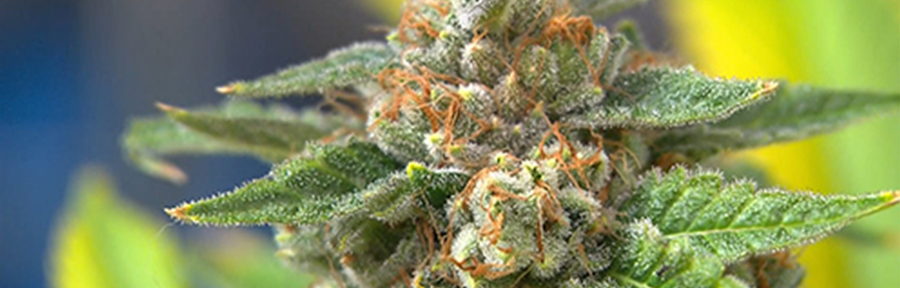
Growers of cannabis tend to have one main goal, and that is to maximize the Marijuana THC crystals within their plants. But how do we make this happen? A lot of it ultimately comes down to how you harvest and produce your plant. Plants designed to produce high levels of THC tend to look more attractive and are dense and sticky. So why does this matter? To reap the benefits associated with maximizing THC levels of course. Some of which are:
- Greater Marijuana THC offers better mental effects and your harvest goes further
- Higher THC levels have better health benefits like relieving symptoms of multiple sclerosis, relieved nausea, and much more
- Increased THC levels can help you increase your overall marijuana output, making you more money
But how do you ensure that maximum THC crystals remain on the buds? We’ve compiled a list of tips that can help you out.
- Research different strains to find out which ones can give you the best results
- Harvest your marijuana at the right time. There is a small two to three week window when plants are deemed as mature, wherein the buds contain the highest amounts of THC
- Another way to identify high levels of Marijuana THC is when the plant’s white pistils have darkened and curled. In other words, the bud looks more solid
- Make sure your cannabis creates the most potent buds possible by making sure it gets direct light during the flowering stage. Do not underwater or overwater it
- Be wary of using supplement; most of them cannot prove that they create more robust buds
- Regularly monitor your harvest to ensure you don’t miss peak flowering times. Doing so means you’ll catch them when their glands are at their largest with resin freshness
- Last but not least, make sure to pick your automated trimmer carefully. All CenturionPro trimming machines include a Quantanium coated tumbler and keif collection, double bag system that makes it easier for higher amounts of Marijuana THC to be extracted